-
![]()
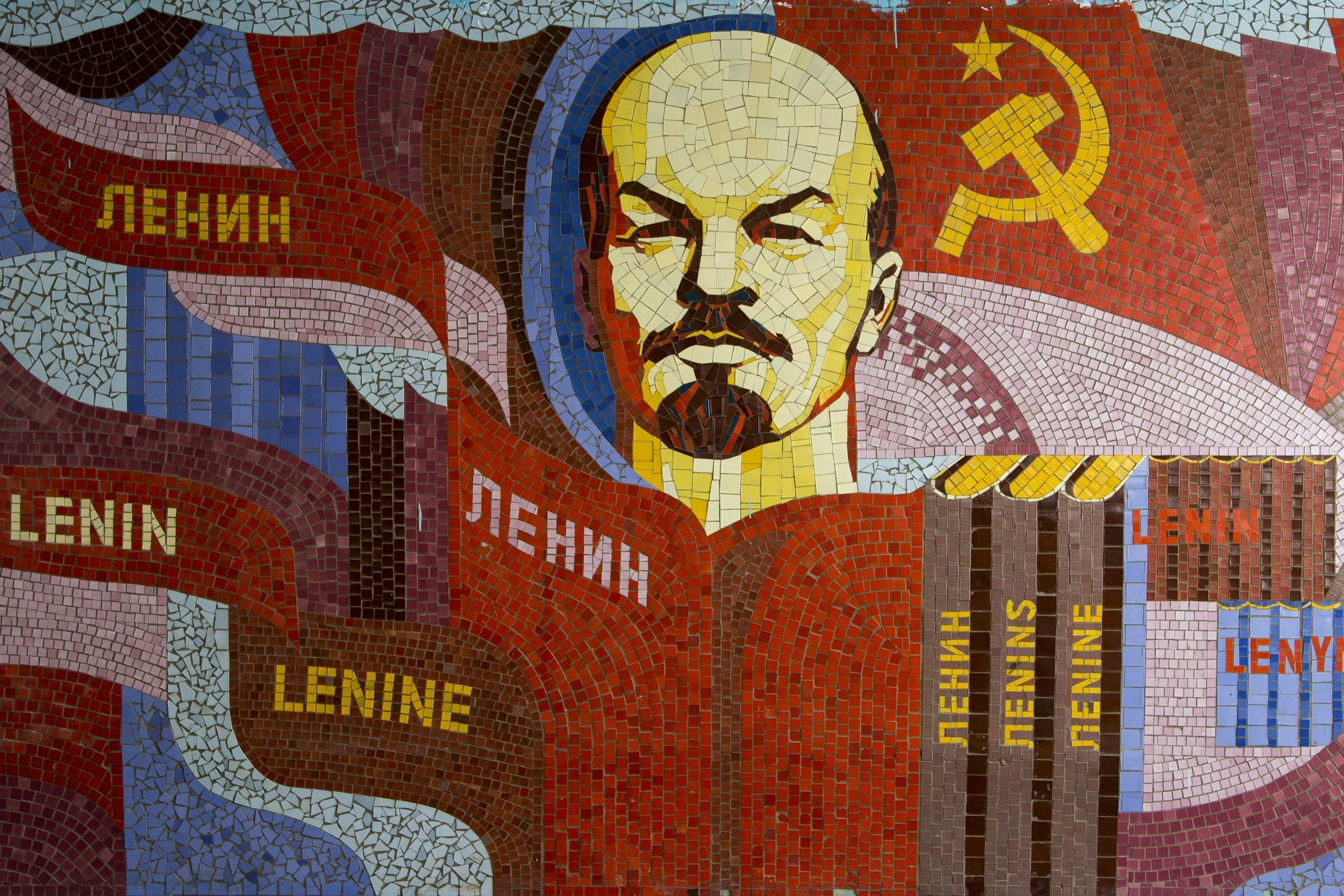
State Socialism
State socialism is a system in which the state owns and controls the major means of production and uses centralized planning to direct the economy toward collective goals rather than private profit. Below is a clear, structured description tailored to your academic style and grounded in political theory.
-
![]()
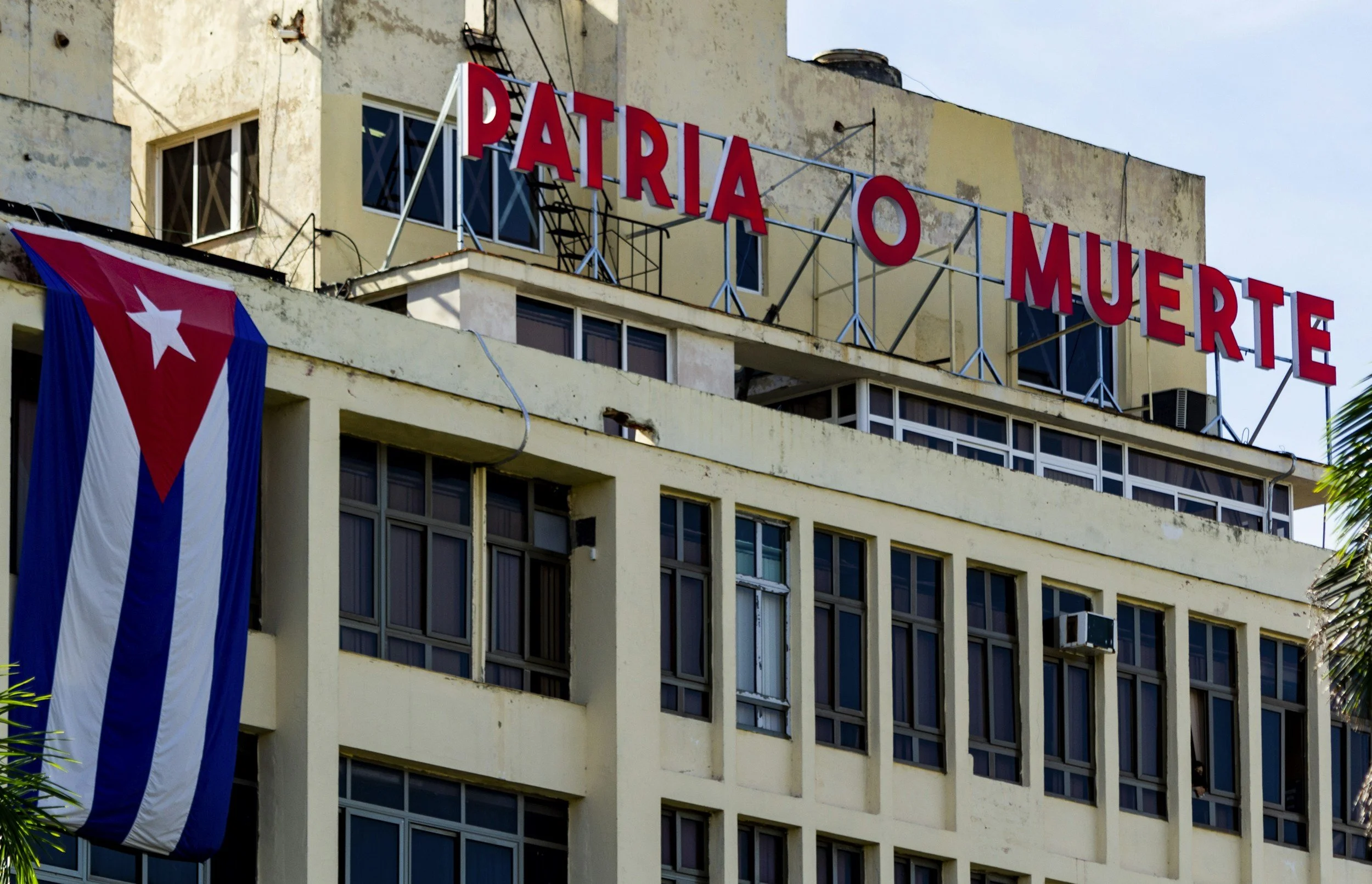
Marxist‑Leninist Socialism
Marxist‑Leninist socialism is a state‑centered, one‑party socialist system built on the idea that a disciplined revolutionary party must seize state power, suppress capitalist resistance, and use the state to build socialism through central planning, state ownership, and mass mobilization.
It claims to be the transitional stage between capitalism and communism.
-
![]()
Revolutionary Socialism
Revolutionary socialism is the belief that the capitalist system is fundamentally incompatible with genuine social equality, and therefore must be abolished through a mass revolutionary movement rather than through elections or incremental reforms.
It holds that the working class must seize political power and reorganize society around collective ownership, worker control, and planned production.
-
![]()
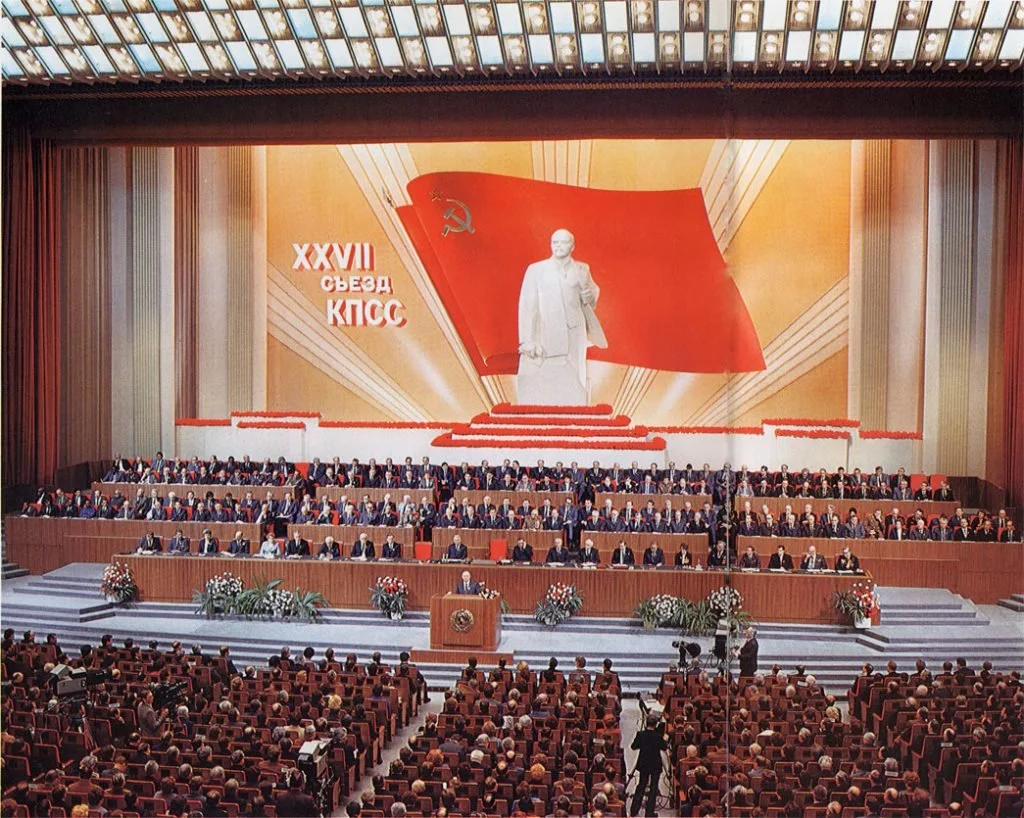
Democratic Centralism
Democratic centralism is a system in which party members debate and vote internally, but after a decision is reached, all members must publicly support and implement it without further dissent.
It is meant to ensure both participationand unity, though in practice it often produced strong centralization of authority.
-
![]()
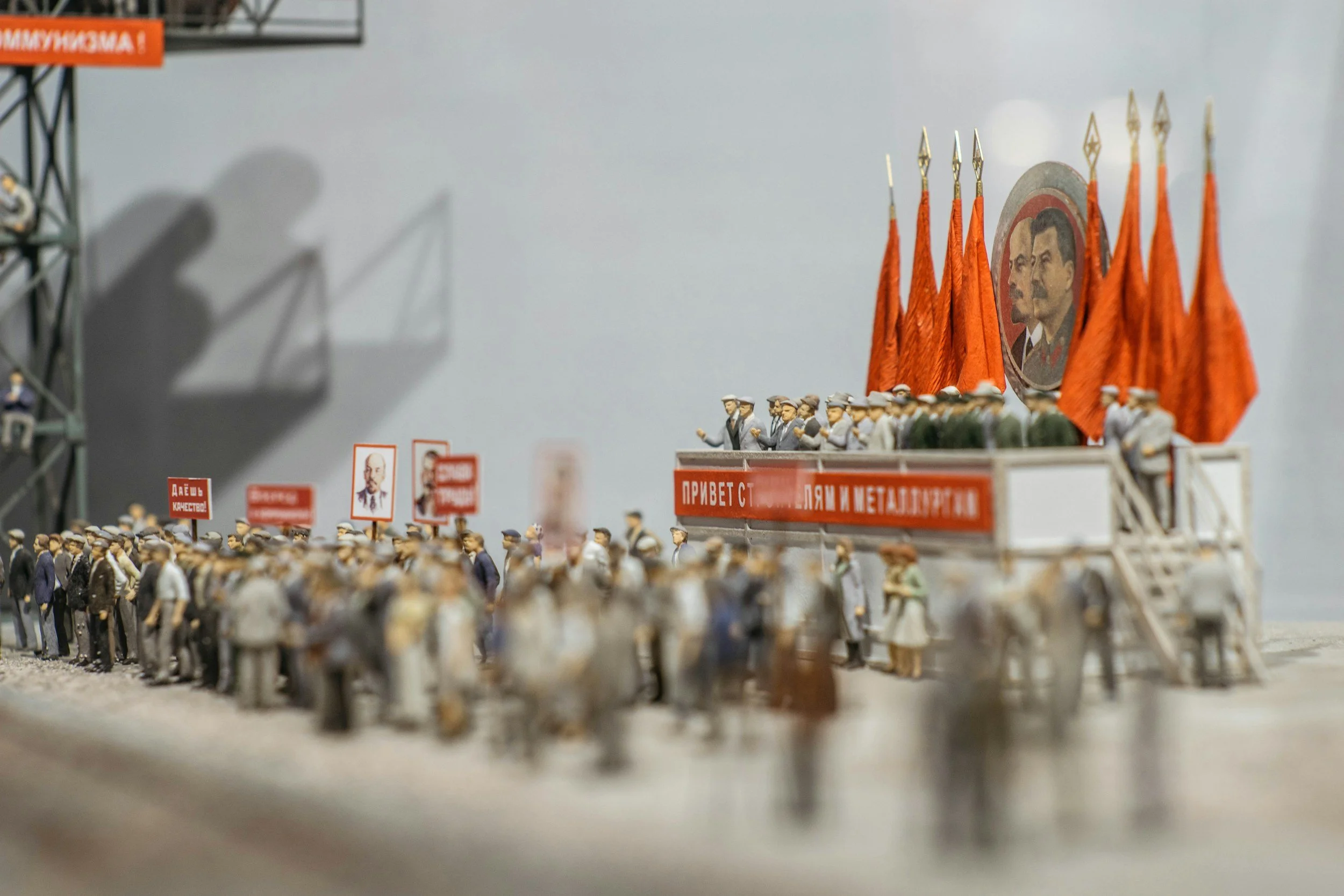
Stalinism
Stalinism is a form of Marxist‑Leninist governance characterized by total political control, state ownership of the economy, and central planning, enforced through repression, surveillance, and a cult of personality.
It claimed to build socialism but relied heavily on authoritarian methods.
-
![]()
Democratic Socialism
Democratic socialism is a system in which political democracy (multi‑party elections, civil liberties, constitutional rights) is paired with social ownership of the economy.
Its central claim: political freedom is impossible without economic democracy.
-
![]()
Social Democracy
Social democracy is a system in which private ownership and markets remain, but the state plays an active role in ensuring economic fairness, social welfare, and worker protections. Its central belief: capitalism can be made compatible with social justice through democratic reform.
-
![]()
Libertarian / Anarcho‑Socialism
Libertarian or anarcho‑socialism is a form of stateless socialism in which the economy is organized through worker‑run cooperatives, communes, and federated councils, all operating without a hierarchical state.
Its central claim: freedom and equality require abolishing both capitalist property and state authority.
-
![]()
Syndicalism
Syndicalism is a form of worker‑run socialism in which trade unions (called syndicates) become the foundation of both the economy and governance.
Its central claim: workers can liberate themselves only by taking control of workplaces and industries through organized collective action.
-
![]()
Guild Socialism
Guild socialism is a model in which workers control production through democratic guilds, while the state represents consumers and the broader public interest.
Its central claim: economic power should be held by workers collectively, but political authority should remain democratic and separate from industrial control.
-
![]()
Utopian Socialism
Utopian socialism is a tradition that imagines perfect, egalitarian communities where people live cooperatively, share resources, and work for the common good.
Its central claim: socialism can be achieved by creating model communities that inspire society to change.
-
![]()
Orthodox Marxism
Orthodox Marxism is a strict, classical interpretation of Marx’s theory, holding that capitalism will inevitably collapse due to its internal contradictions and be replaced by socialism through revolutionary class struggle, not gradual reform.
Its central claim: Marxism is a scientific analysis of history, and socialism emerges from objective economic forces—not moral appeals or political compromise.