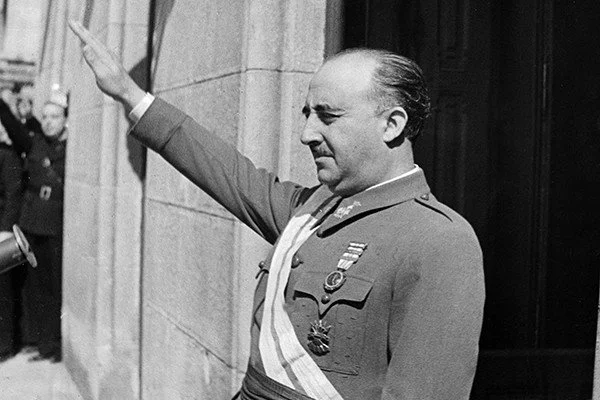
Dictators and Their Mistresses: Power, Secrecy, and the Politics of Intimacy
Dictatorships often present themselves as systems of ideological purity, personal discipline, and unwavering devotion to the nation, yet the private lives of authoritarian rulers frequently reveal contradictions that undermine these carefully constructed images.
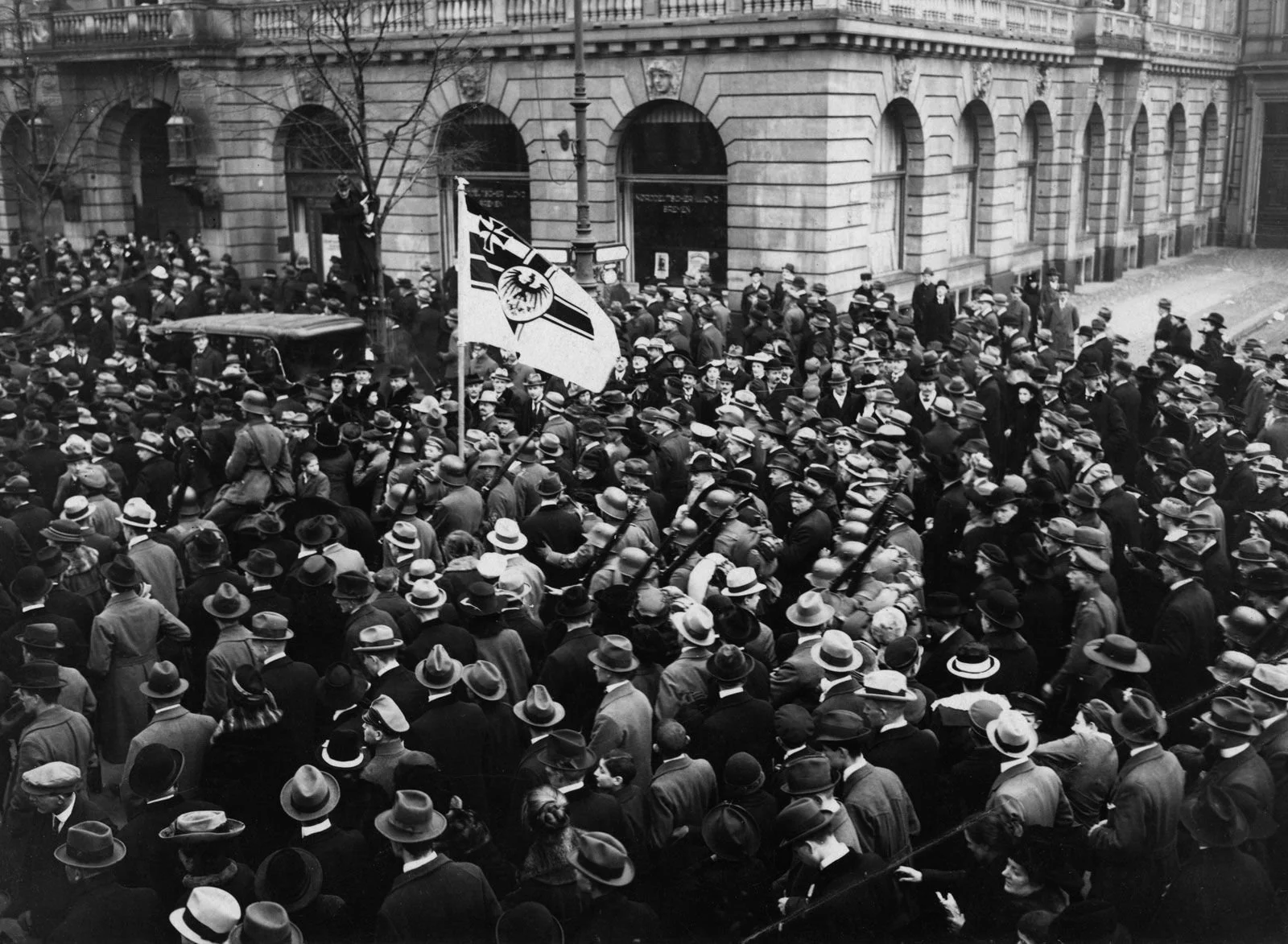
Breaking the Myth: Exposing the False Promises of Fascist Ideology
Fascist ideology has historically relied on a carefully constructed mythology that obscures its internal contradictions and legitimizes its authoritarian ambitions. Rather than presenting itself as a system of domination, fascism cloaks its political project in the language of national revival, unity, and strength.
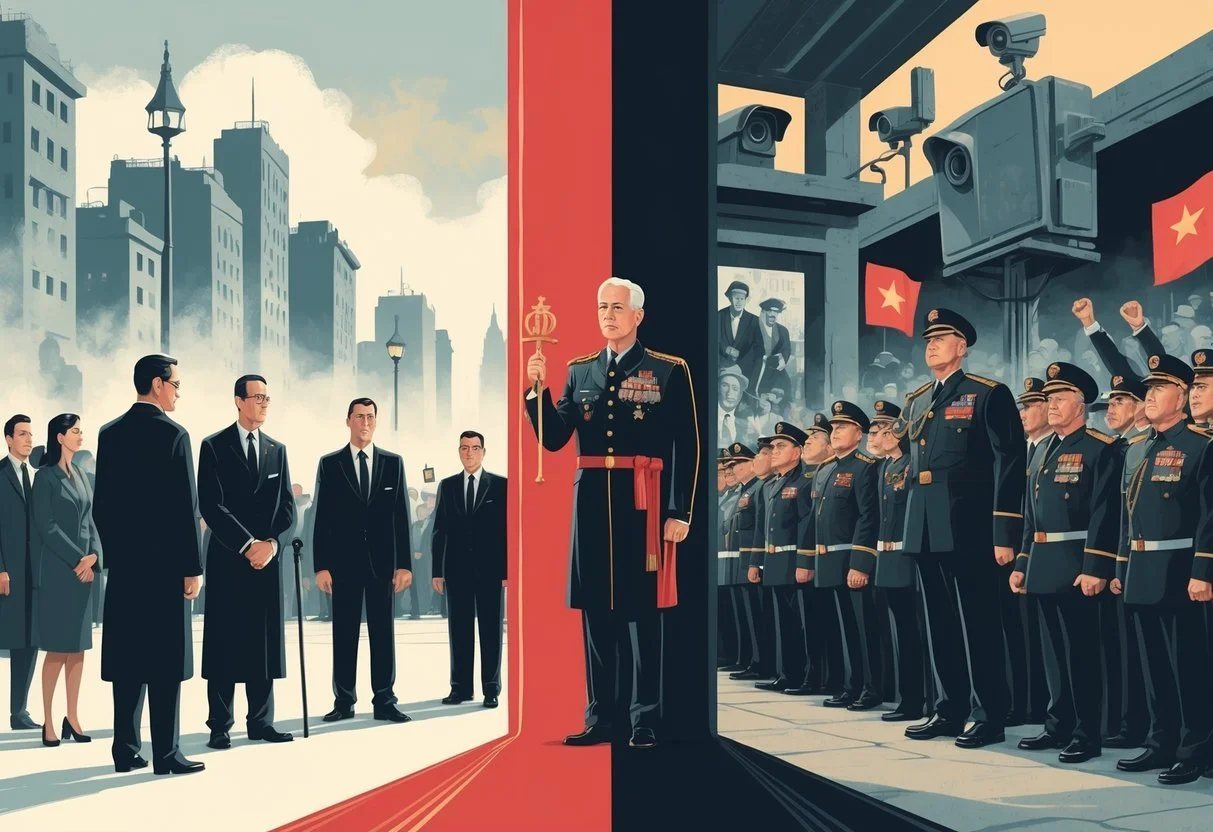
Totalitarianism and Authoritarianism: A Comparative Analysis
Totalitarianism and authoritarianism represent two distinct forms of nondemocratic rule, each defined by how power is organized, how society is controlled, and how deeply the state penetrates the lives of its citizens. While both systems reject political pluralism and concentrate authority in the hands of a leader or ruling elite, they differ fundamentally in scope, ambition, and ideological intensity.

The Quiet Dismantling of Democracy
Democratic erosion from within has become one of the most consequential political developments of the twenty‑first century, marked not by sudden coups or violent seizures of power but by a gradual, legally mediated decline in which elected leaders and partisan institutions undermine the foundations of constitutional governance.
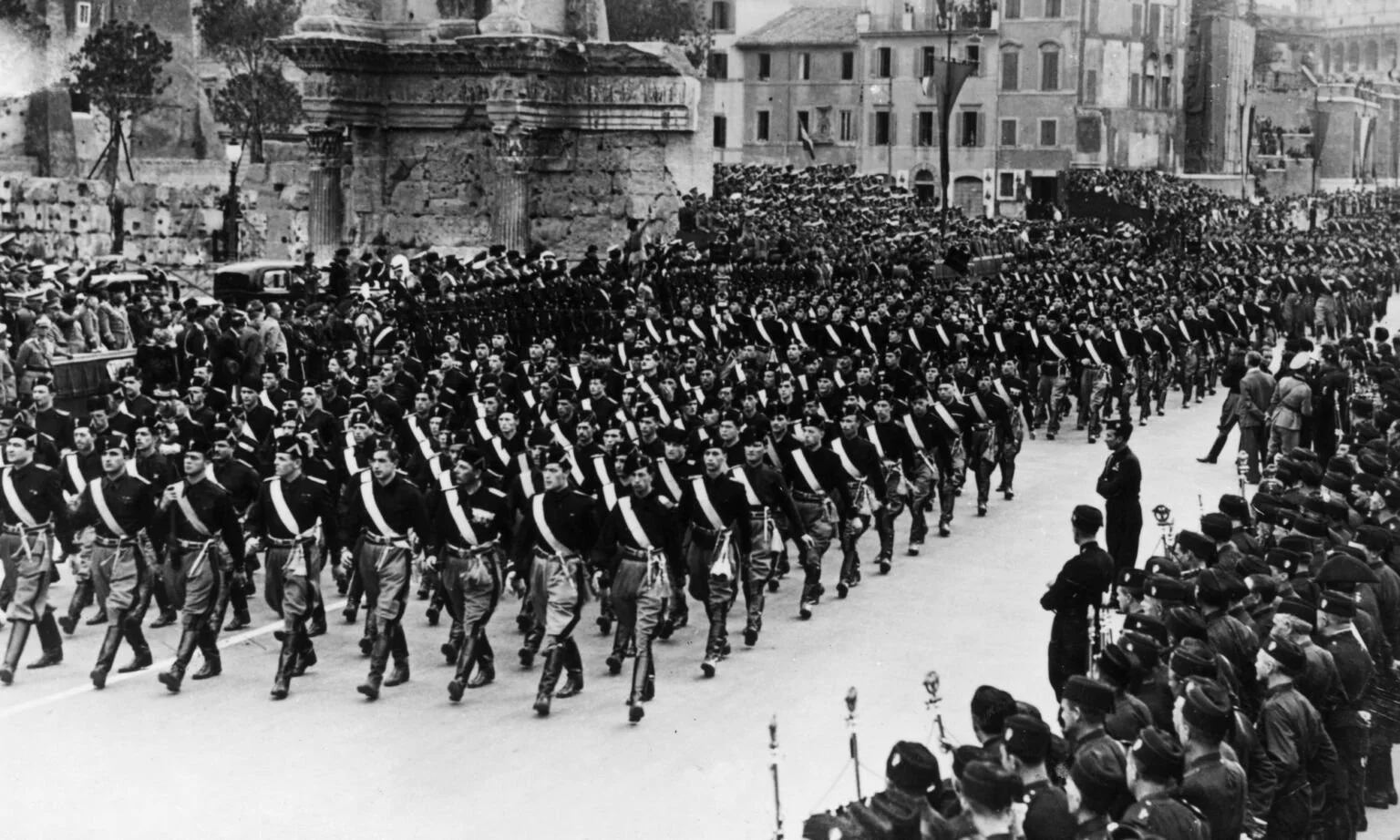
The Psychology of Fascist Movements: Why People Join
Fascist movements have appeared in different countries and eras, yet they share a strikingly similar pattern: they attract ordinary people, not only committed extremists. Understanding why individuals join such movements requires looking beyond political slogans and examining the psychological forces that make fascism appealing. These forces include fear, a desire for belonging, the search for identity and purpose, economic and social insecurity, and the powerful influence of propaganda and charismatic leadership
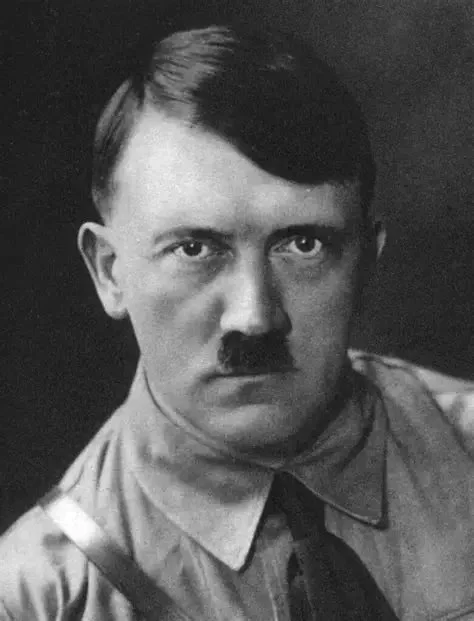
The Fragile Republic: Structural Collapse and the Rise of Adolf Hitler
Adolf Hitler’s rise to power in Germany stands as one of the most consequential political transformations of the twentieth century, not only because it led to the establishment of a totalitarian regime but also because it revealed the vulnerabilities inherent in democratic systems facing profound economic and social crises.
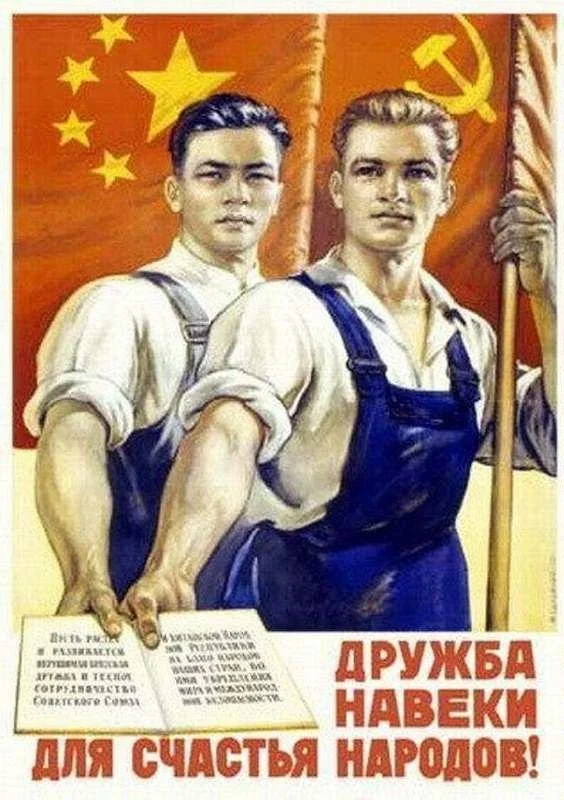
Nationalism, masculinity, and the targeting of gay men
Authoritarian governments have historically treated gay men as destabilizing elements within the social order they seek to impose, revealing how deeply such regimes rely on the regulation of gender, sexuality, and private life to maintain political dominance. Central to authoritarian rule is the construction of a disciplined, obedient citizen whose identity aligns with the state’s ideological vision.

Napoleon Bonaparte and the Architecture of Modern Dictatorship
Napoleon Bonaparte’s rise to power at the end of the French Revolution produced one of the most influential authoritarian regimes in modern European history, a government that blended the rhetoric of republicanism with the practical mechanics of dictatorship. Although Napoleon justified his authority as a stabilizing response to revolutionary chaos, the political system he constructed after the Coup of 18–19 Brumaire in 1799 concentrated power so thoroughly in his own hands that it effectively dismantled the democratic aspirations of the Revolution.

Gender and Fascism: Power, Myth, and the Politics of the Body
Fascist movements across the twentieth century treated gender not as a secondary cultural concern but as a foundational political instrument. Gender norms were mobilized to naturalize hierarchy, justify authoritarian rule, and fuse private life with state power. Fascism’s obsession with order, purity, and national rebirth depended on a rigid gender binary that elevated masculine dominance and enforced feminine submission.
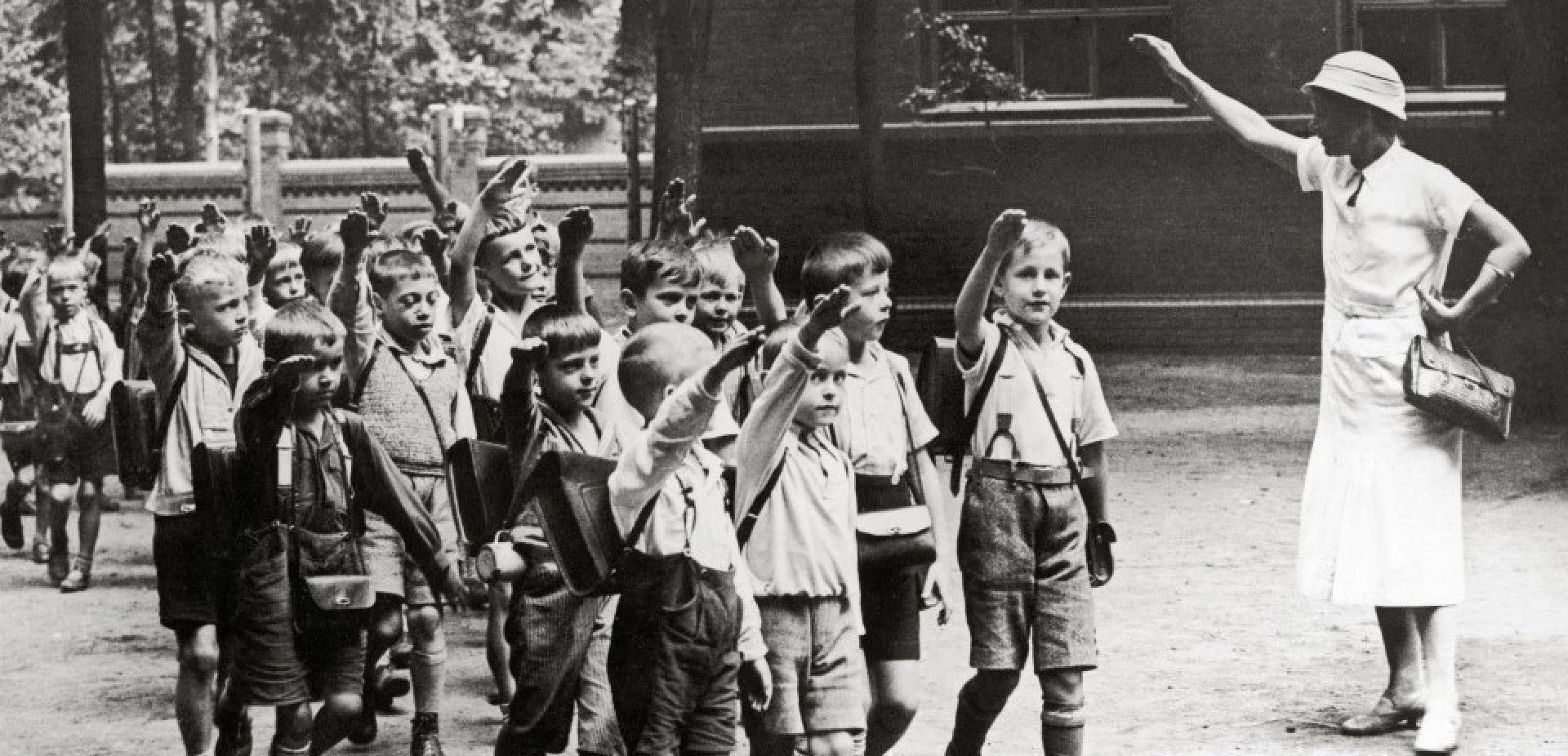
From Classroom to Battalion: How Fascist Governments Militarized Youth Identity
Fascist regimes devoted extraordinary attention to the political, social, and psychological formation of young people, treating them not merely as future citizens but as the living embodiment of the regime’s ideological aspirations. Youth were central to fascism’s self‑image: energetic, disciplined, pure, and uncorrupted by the liberalism, socialism, or cosmopolitanism that fascist leaders claimed had weakened the nation.
Dictatorship as Governance: Understanding Power, Institutions, and Authority
A dictatorship is widely recognized in political science as a distinct form of government, defined primarily by the concentration of power in the hands of a single ruler or a small elite. Although the term often carries negative moral connotations, its classification as a governmental form is analytical rather than evaluative.

Comparing Donald Trump to Historical Dictators: An Analytical Examination
The political rise and presidency of Donald Trump have generated extensive debate among historians, political scientists, and sociologists regarding whether his leadership style bears resemblance to that of historical dictators. While Trump operated within the institutional framework of a constitutional democracy, certain rhetorical patterns, governance strategies, and approaches to political conflict have prompted comparisons to authoritarian leaders of the twentieth century.
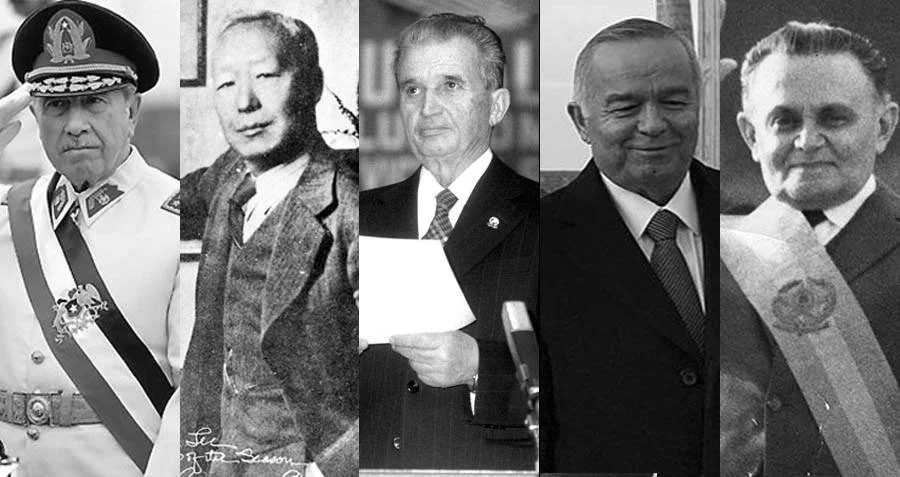
Authoritarianism and Resistance: The Political Legacy of South America’s Military Dictatorships
South America’s experience with authoritarian rule during the twentieth century represents one of the most consequential political transformations in the modern history of the region. Across countries as diverse as Chile, Argentina, Brazil, and Paraguay, military dictatorships emerged from a shared constellation of structural weaknesses: fragile democratic institutions, persistent economic crises, and the geopolitical pressures of the Cold War.
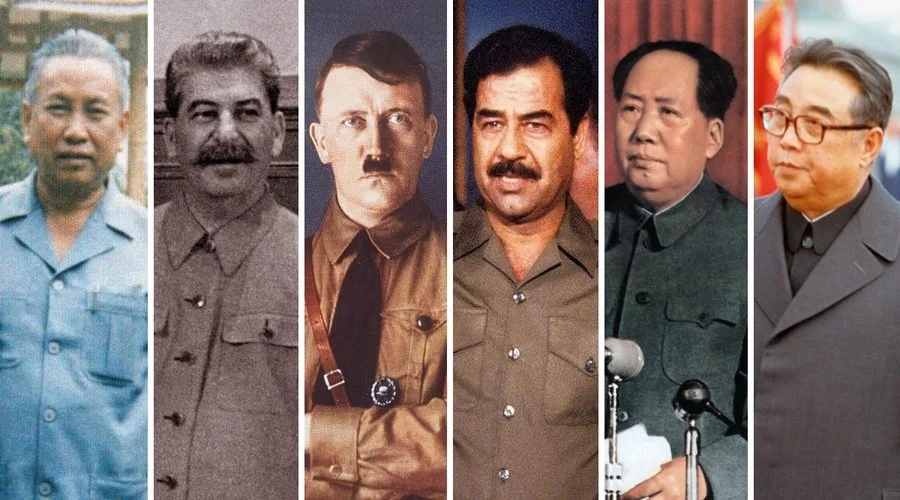
A Comparative Analysis of Totalitarianism, Dictatorship, Oligarchy, Communism, Technocracy, and Socialism
Political systems differ widely in how they distribute authority, justify political power, and regulate social and economic life. Among the most significant non‑democratic or partially democratic forms of governance are totalitarianism, dictatorship, oligarchy, communism, technocracy, and socialism.
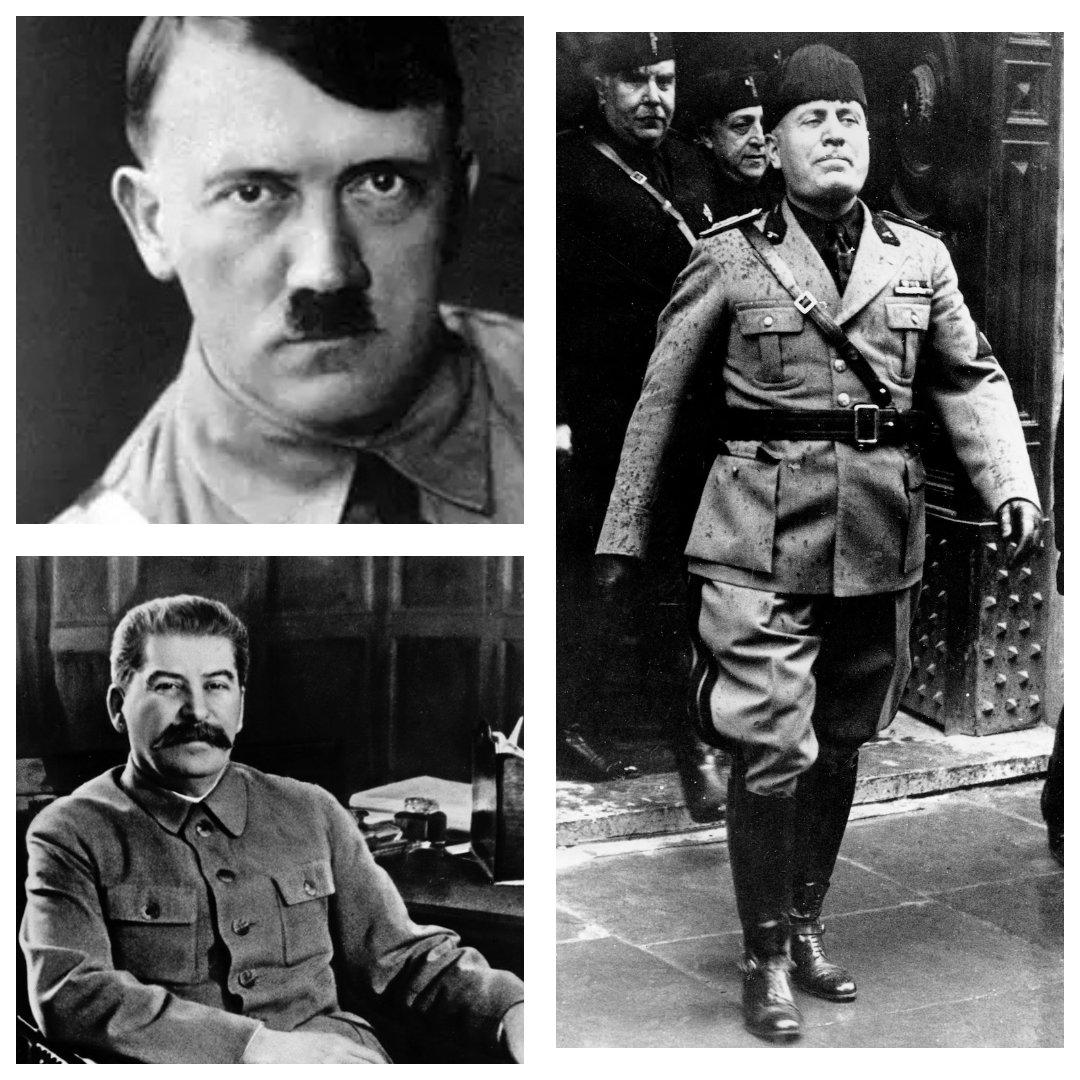
Racism as the Structural Core of Fascist Power
Fascism’s relationship with racism was neither incidental nor peripheral; rather, racism functioned as a foundational mechanism through which fascist regimes defined national identity, mobilized mass support, and justified unprecedented forms of state violence. At its core, fascism rejected liberal and civic understandings of the nation, replacing them with an organic, quasi‑biological conception of national belonging.
Echoes of Authority: How Fascism Evolved into Neofascism
Neofascism developed not as a break from classical fascism but as its strategic adaptation to the political and cultural realities of the post‑war world. Although the defeat of Mussolini and Hitler discredited overt dictatorship, the ideological foundations of fascism—ultranationalism, anti‑liberalism, racial exclusion, and patriarchal social order—remained embedded in many societies.

Charlie Kirk, Christian Nationalism, and Authoritarian-Leaning Rhetoric
Critics and scholars have increasingly described his worldview as aligned with Christian nationalism, a movement that seeks to fuse American civic identity with a specific interpretation of Christian doctrine.
Authoritarian Governance in the Antebellum South: Elite Rule, Racial Slavery, and the Suppression of Dissent
The Antebellum South developed a political and social order that diverged sharply from the democratic ideals professed by the United States. While the region maintained republican institutions on paper, its internal governance was fundamentally authoritarian. Power was concentrated in the hands of a small planter elite whose wealth and influence derived from the ownership of enslaved labor.

Stephen Miller and the Politics of Exclusion: Assessing Claims of Fascist‑Influenced Policy in Contemporary America
Stephen Miller, a senior adviser in the Trump administration and a principal architect of U.S. immigration policy from 2017 to 2021, has become a central figure in contemporary debates about the relationship between modern immigration restriction and historical authoritarian ideologies.
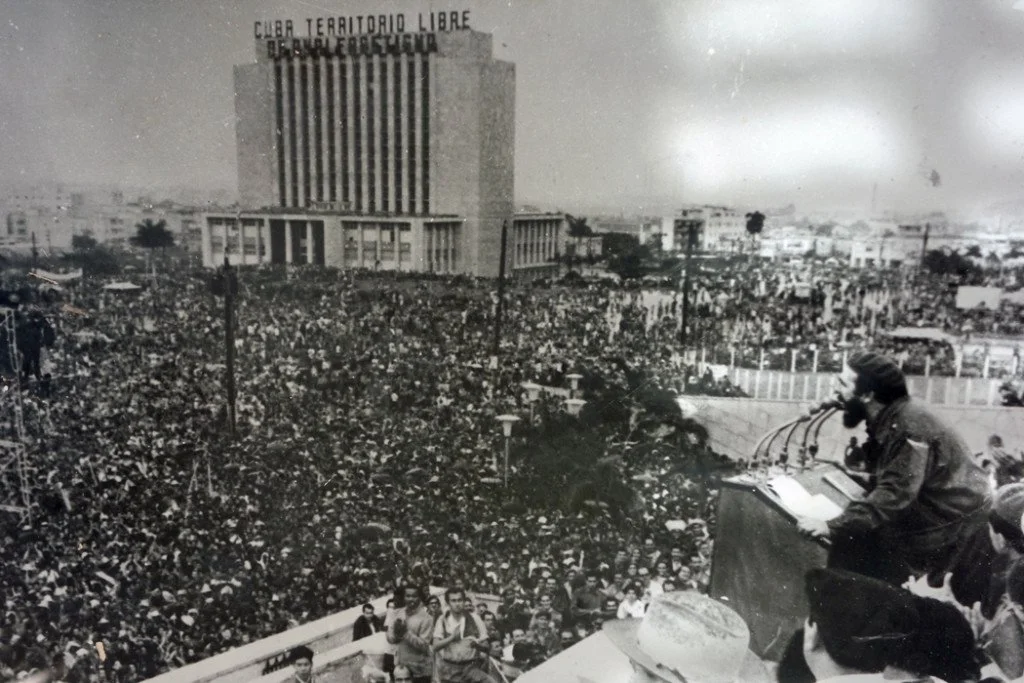
Fascist Influences on Cuban Politics: Authoritarianism, Militarization, and the Erosion of Democracy
Fascism never took formal power in Cuba, yet its ideological influence significantly shaped the island’s political development during the mid‑twentieth century. The global rise of fascism in the 1930s, particularly in Italy, Spain, and Germany, introduced new political models that resonated with segments of Cuban society