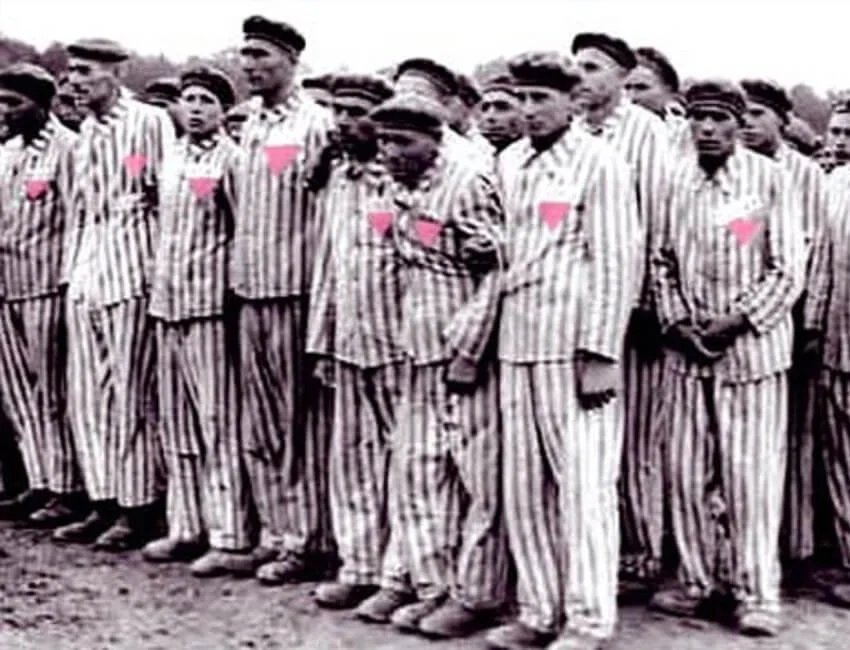
Fascism and LGBTQ Identities in Historical Perspective
Fascist regimes in twentieth‑century Europe mobilized sexuality and gender as central instruments of authoritarian governance, and their treatment of LGBTQ individuals demonstrates how such systems construct political power through the regulation of private life. Both Italian Fascism and German National Socialism articulated national identities grounded in militarized masculinity, demographic expansionism, and rigid heterosexual norms.
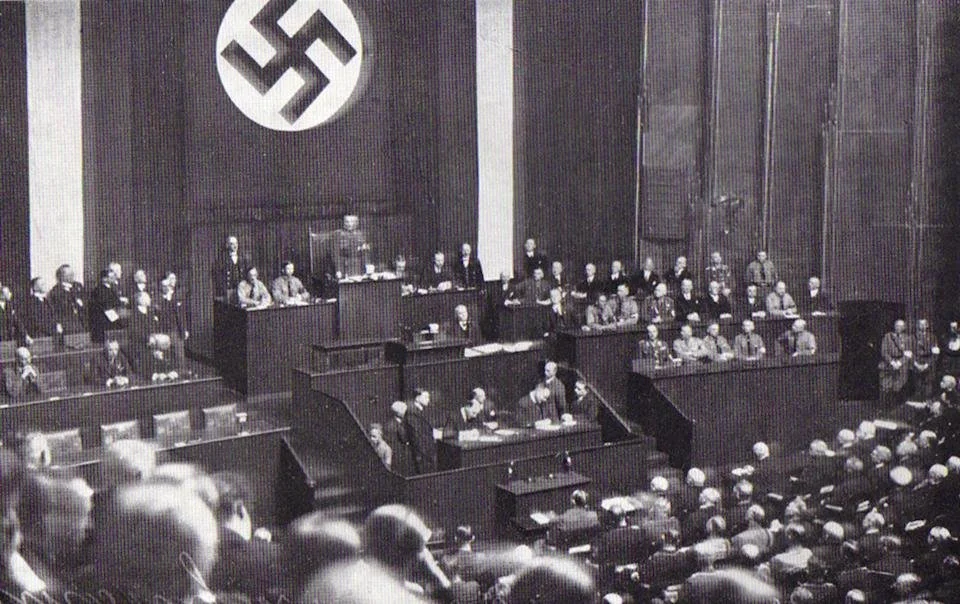
Racial Ideology as the Driving Force of Hitler’s Fascist Regime
Adolf Hitler’s political project in Germany was defined by the deliberate fusion of fascism and racism into a single ideological system. Fascism provided the structural and institutional mechanisms through which Hitler consolidated absolute authority, while racism supplied the ideological justification for exclusion, persecution, and ultimately genocide.
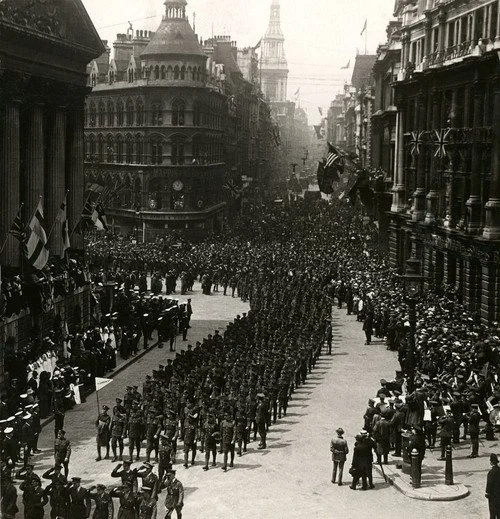
The Rise of Fascism in Europe After World War I
The rise of fascism in Europe after World War I was not the result of a single cause but rather the culmination of overlapping political, economic, social, and cultural crises that destabilized the continent. The war shattered old empires, disrupted traditional social structures, and left millions disillusioned with the promises of liberal democracy.

Why Fascism Rejects Democracy and Individual Rights
Fascism emerged in the early twentieth century as an ultranationalist and authoritarian ideology that positioned itself in direct opposition to the principles of liberal democracy. Rather than viewing political power as something derived from the consent of individuals, fascism elevates the state and the nation above all other sources of authority.

Art, Architecture, and Aesthetics Under Fascism
Fascist regimes in the twentieth century treated culture not as an arena of free expression but as a political instrument, using art, architecture, and aesthetics to shape collective identity and legitimize authoritarian rule. In both Italy and Germany, aesthetics became a form of ideological discipline, central to constructing a worldview that emphasized hierarchy, unity, purity, and the subordination of the individual to the state.

examining whether fascist traits apply to-donald trumps leadership
The question of whether Donald Trump can be considered a fascist has become one of the most contested issues in contemporary political scholarship, reflecting broader anxieties about democratic backsliding and the rise of illiberal movements worldwide.

Patriot Front: A Contemporary Study of American Extremism
Patriot Front has emerged as one of the most visible white nationalist organizations in the United States in the years following the 2017 Unite the Right rally in Charlottesville, Virginia. Although relatively small in membership, the group has gained disproportionate public attention due to its disciplined aesthetic, coordinated propaganda campaigns, and strategic use of patriotic symbolism.
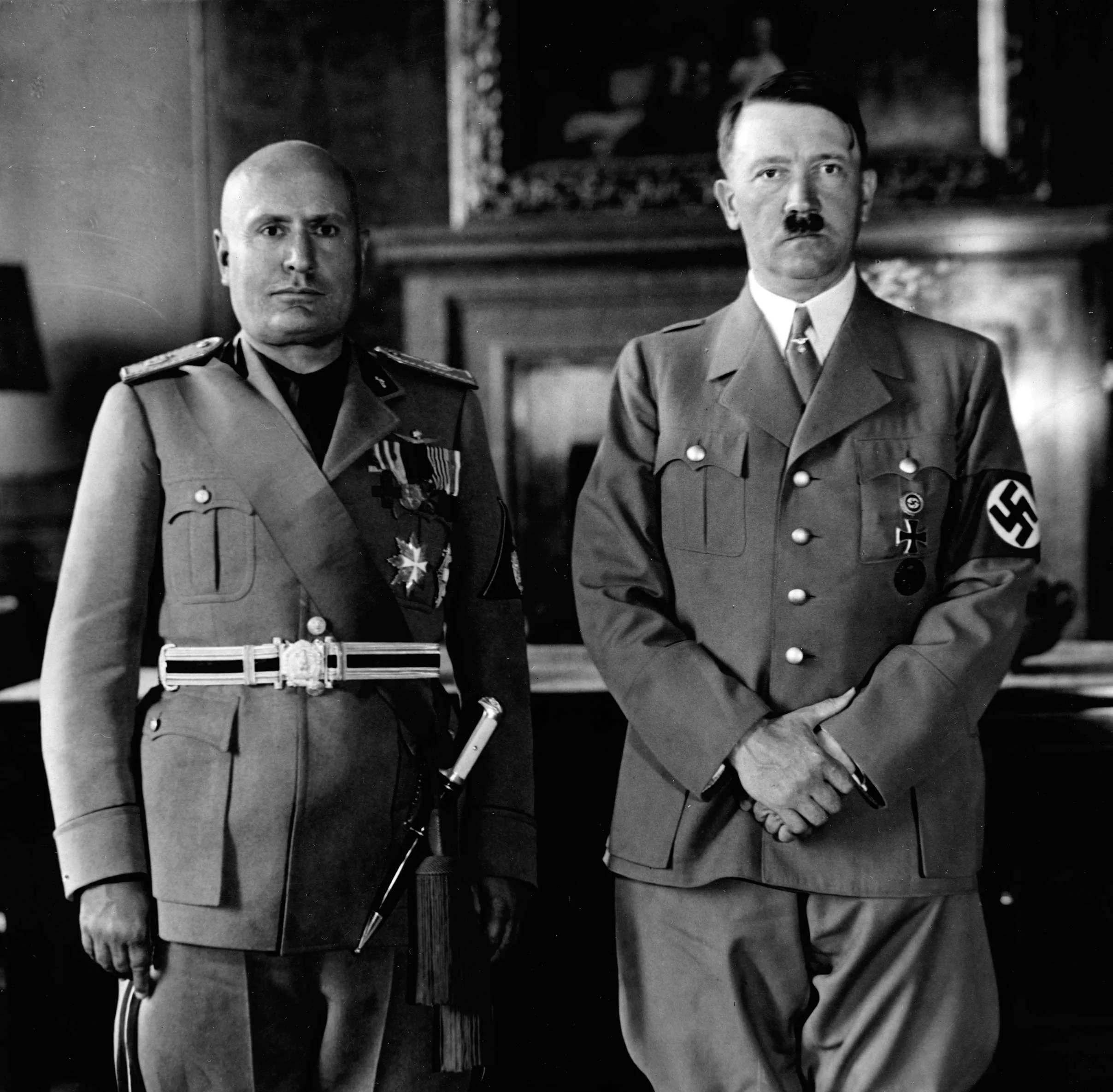
Comparing Italian Fascism and German Nazism: What Made Them Different
Italian Fascism and German Nazism emerged from the political, economic, and cultural crises that followed World War I, yet the two ideologies developed into distinct systems shaped by their national contexts, intellectual foundations, and political ambitions. Although both movements rejected liberal democracy, embraced authoritarian leadership, and relied on mass mobilization, their differences reveal how authoritarian ideologies adapt to local histories and social anxieties.

From Crisis to Control: How Fascism Reshaped Europe in the 1920s
Fascism in the 1920s emerged from the profound political, economic, and social instability that followed World War I. Italy, in particular, faced widespread disillusionment with liberal democracy, severe economic hardship, and fears of socialist revolution. These conditions created a fertile environment for Benito Mussolini, who capitalized on public frustration by presenting himself as a strong leader capable of restoring national order.

The Issues with Fascism: An Analytical Overview
Fascism presents a profound threat to democratic governance and human freedom because it is built on authoritarianism, ultranationalism, and the elimination of political pluralism. At its core, fascism rejects democratic institutions and replaces them with a centralized autocratic system led by a single, dominant leader.
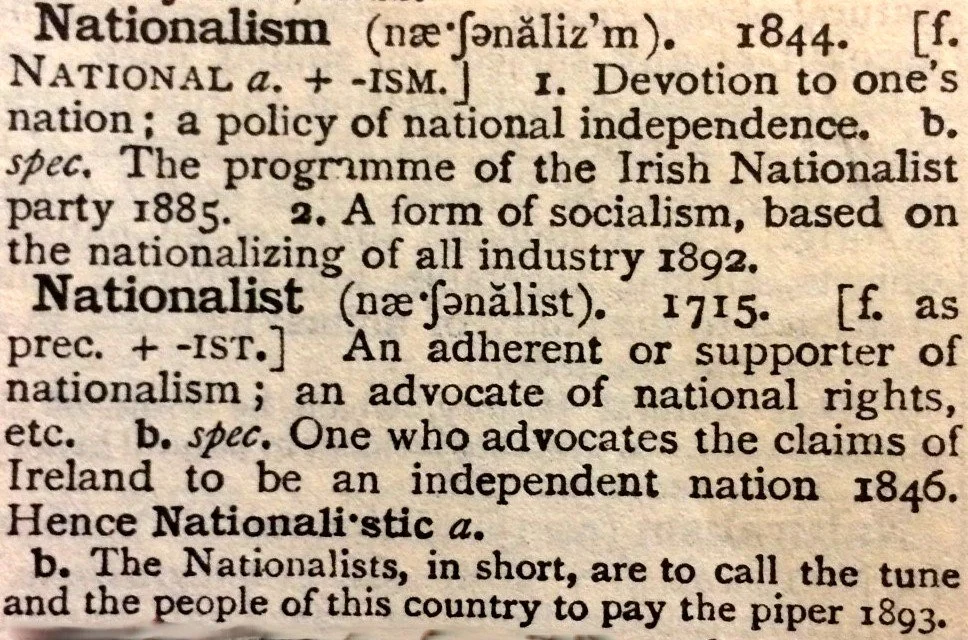
Nationalist Autocracy: How It Works and Why It Emerges
Nationalist autocracy is a form of government in which political power is concentrated in the hands of a single leader or ruling elite, and national identity becomes the central organizing principle of the state. Unlike democratic systems, which rely on pluralism, open debate, and institutional checks, nationalist autocracies operate through centralized authority.
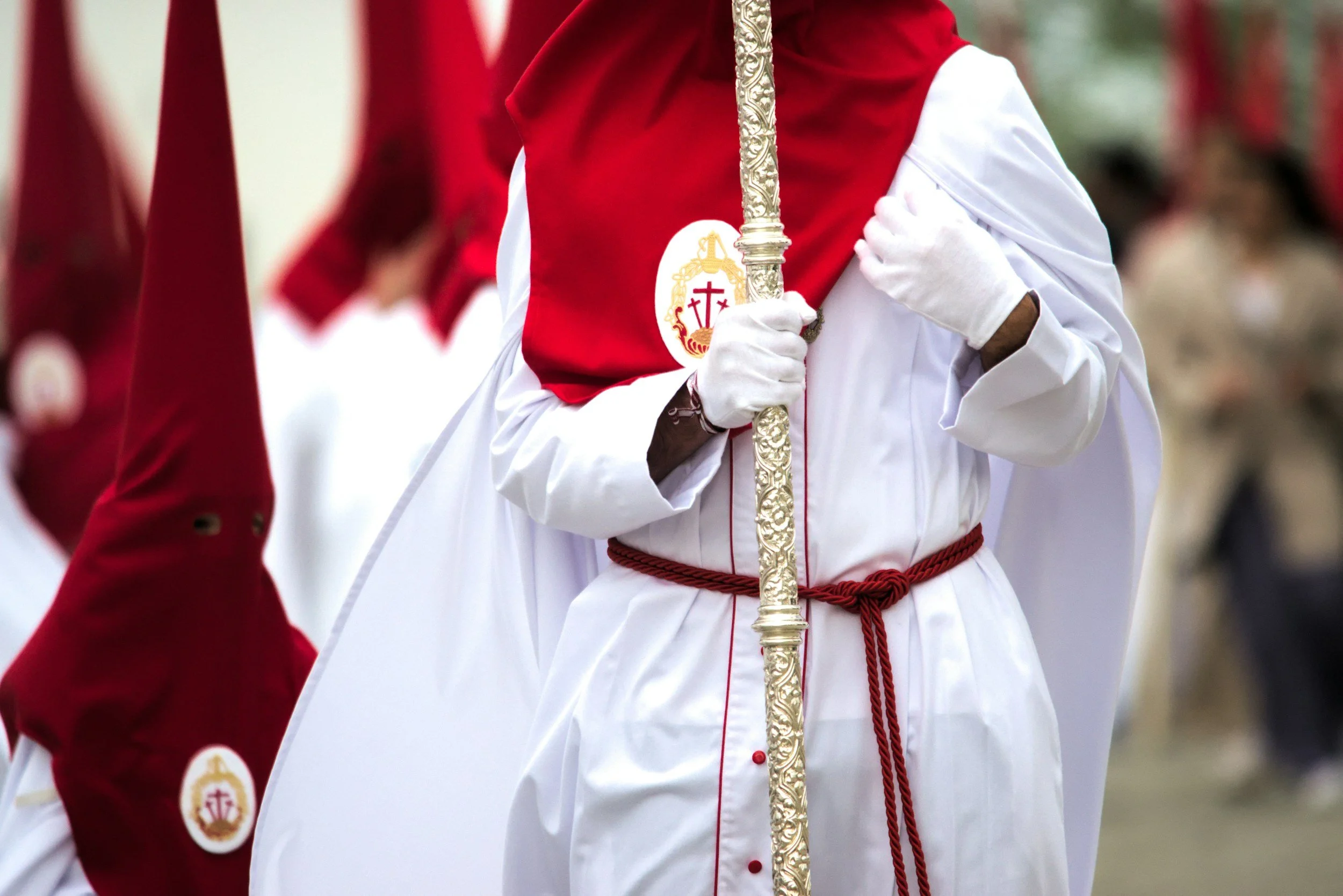
The Ku Klux Klan and Why It Is Classified as a Hate Group
The Ku Klux Klan (KKK) is widely recognized by historians, civil‑rights organizations, and legal scholars as a hate group because its core purpose has always been the promotion of white supremacy, racial intimidation, and the exclusion of groups it defines as “un‑American.” Founded in 1865 during the aftermath of the Civil War, the Klan emerged as a reactionary movement determined to restore racial hierarchy in the American South.