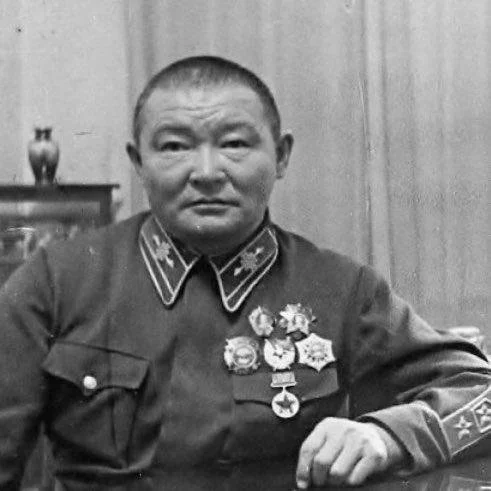
the government of Khorloogiin Choibalsan in Mongolia
Khorloogiin Choibalsan’s rule over Mongolia from the late 1930s to the early 1950s marked a decisive transformation of the country’s political, social, and cultural landscape.
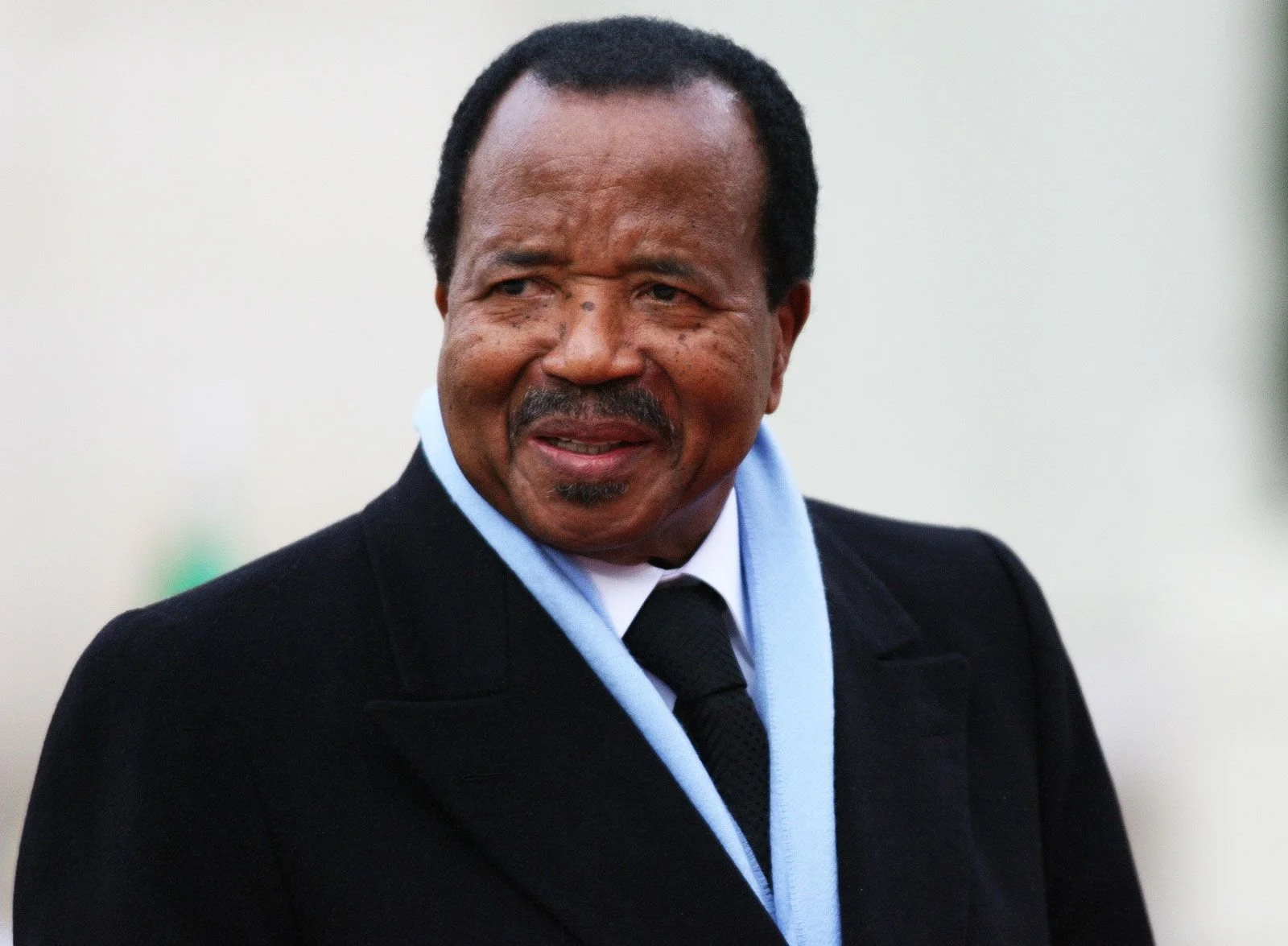
The government of Paul BIya in Cameroon
Paul Biya’s government in Cameroon represents one of the most enduring examples of personalist authoritarianism in the contemporary world, defined by the concentration of executive power, the strategic manipulation of political institutions, and the systematic weakening of opposition forces.
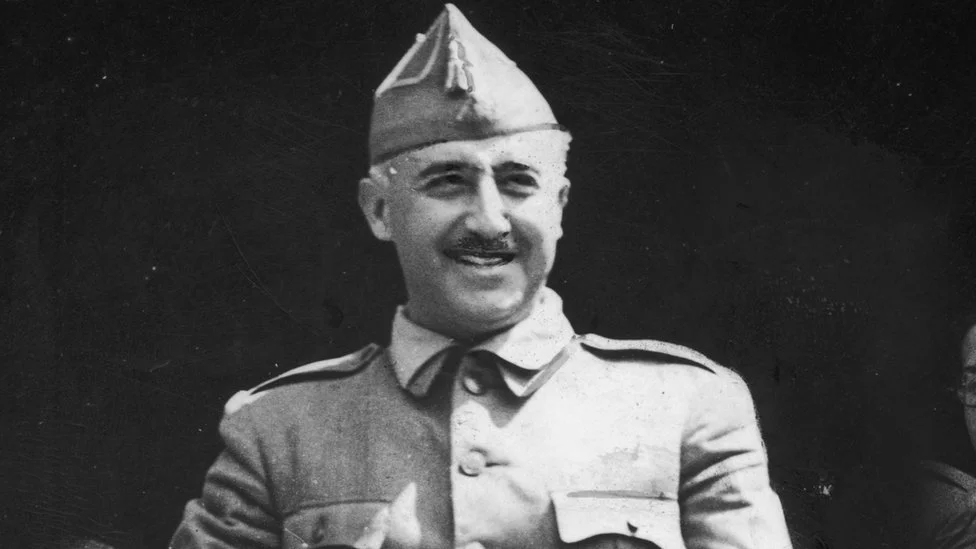
the government of francisco franco in spain
Francisco Franco’s government, which ruled Spain from 1939 to 1975, represented one of the longest and most rigid authoritarian regimes in twentieth‑century Europe.
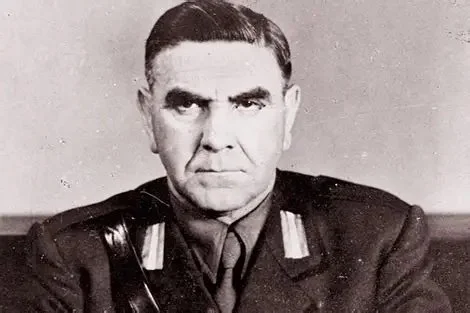
The government of Ante Pavelic in Croatia
Ante Pavelić’s government in the Independent State of Croatia (NDH), established in 1941 under Axis sponsorship, represents one of the most radical and violent experiments in fascist state‑building in twentieth‑century Europe.
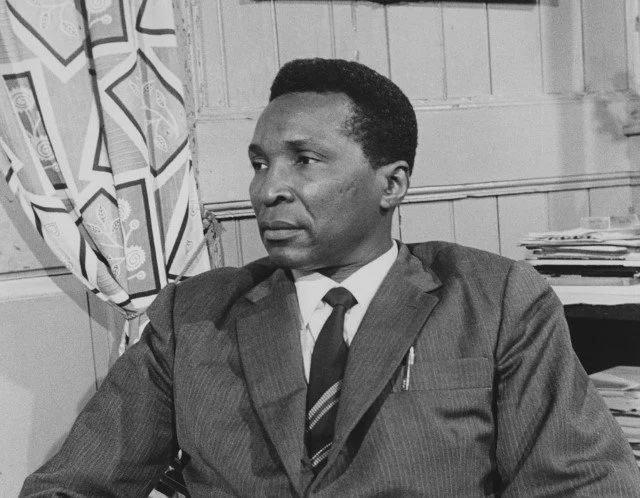
The government of Francisco Macia nuguem in equatorial guinea
Francisco Macías Nguema’s government in Equatorial Guinea from 1968 to 1979 stands as one of the most extreme and destructive experiments in post‑colonial authoritarian rule.
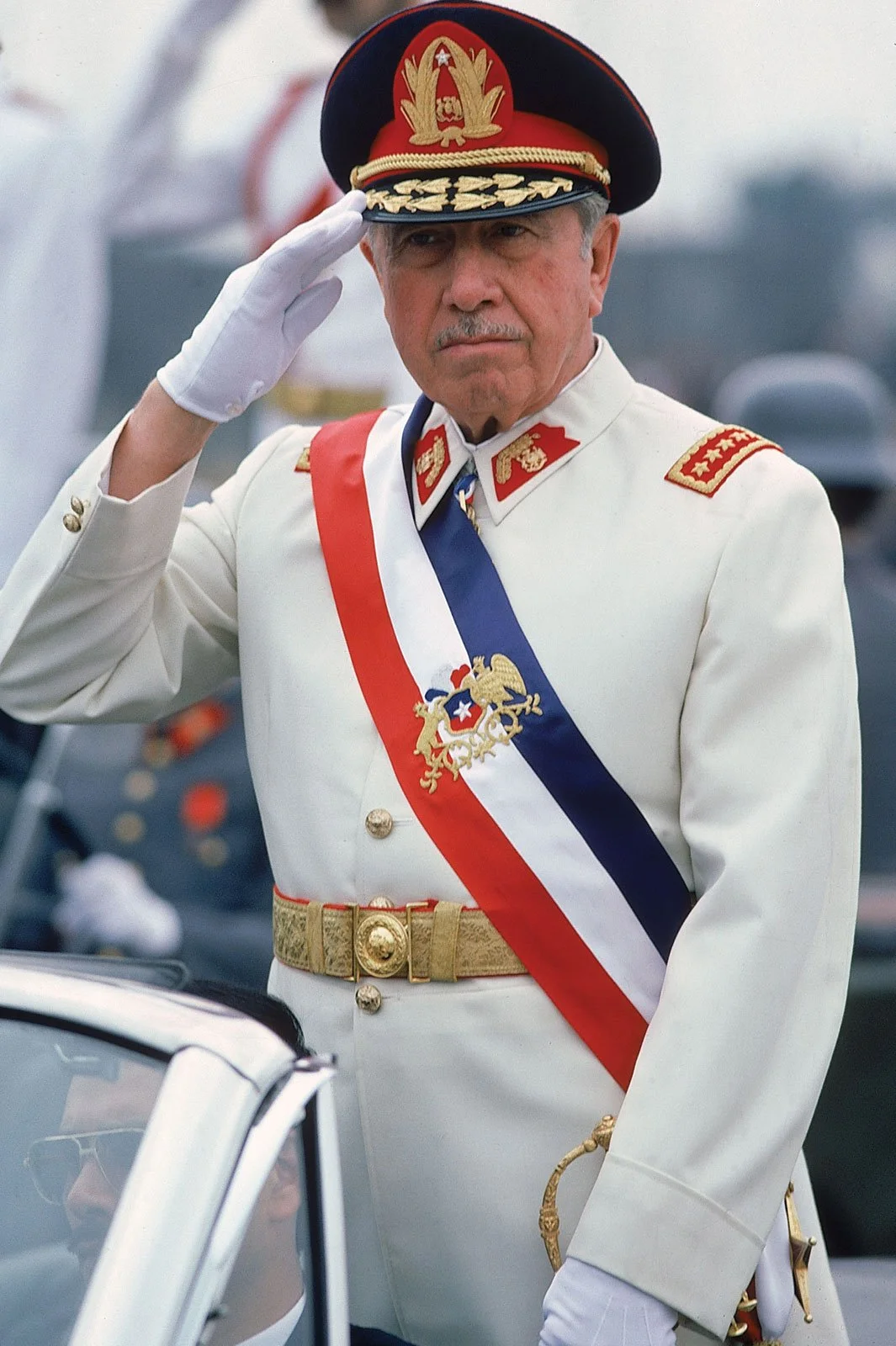
The government of General Augusto Pinochet in Chile
The government of General Augusto Pinochet, which dominated Chile from 1973 to 1990, stands as one of the most influential and divisive periods in Latin American history.
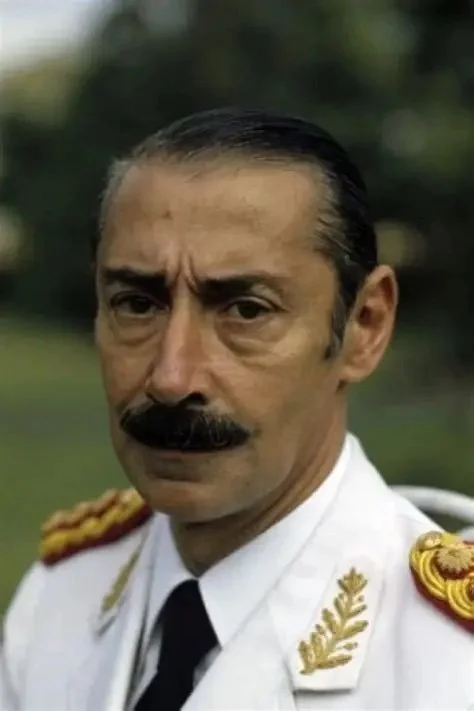
The government of general videla in argentina
The government of General Jorge Rafael Videla, who ruled Argentina from 1976 to 1981, stands as one of the most consequential and traumatic periods in the nation’s modern history.
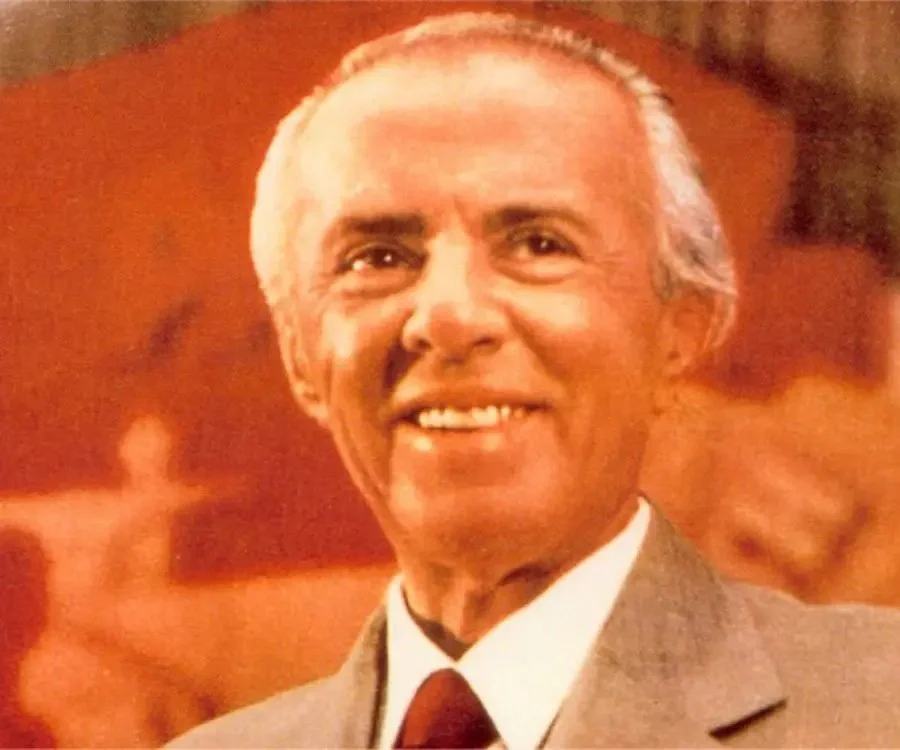
The Government of Enver hoxha in albania
Enver Hoxha’s government, which ruled Albania from 1944 until his death in 1985, stands as one of the most uncompromising and enduring examples of Stalinist totalitarianism in the twentieth century.
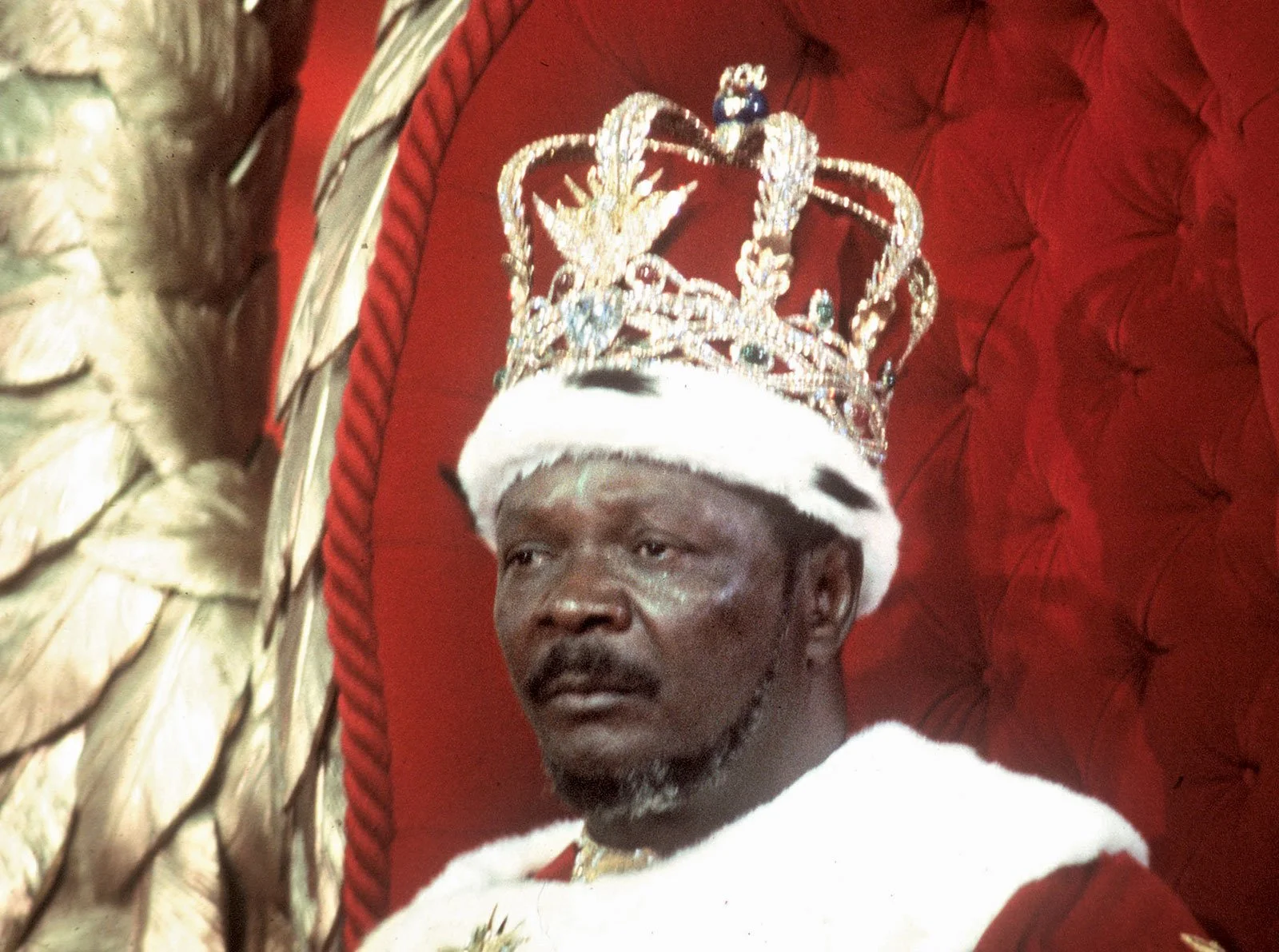
The government of Jean-Bédel Bokassa in Central African Republic
Jean‑Bédel Bokassa’s government in the Central African Republic, later rebranded as the Central African Empire, illustrates how extreme personalist rule can dismantle state institutions, distort national development, and entrench long‑term political instability.
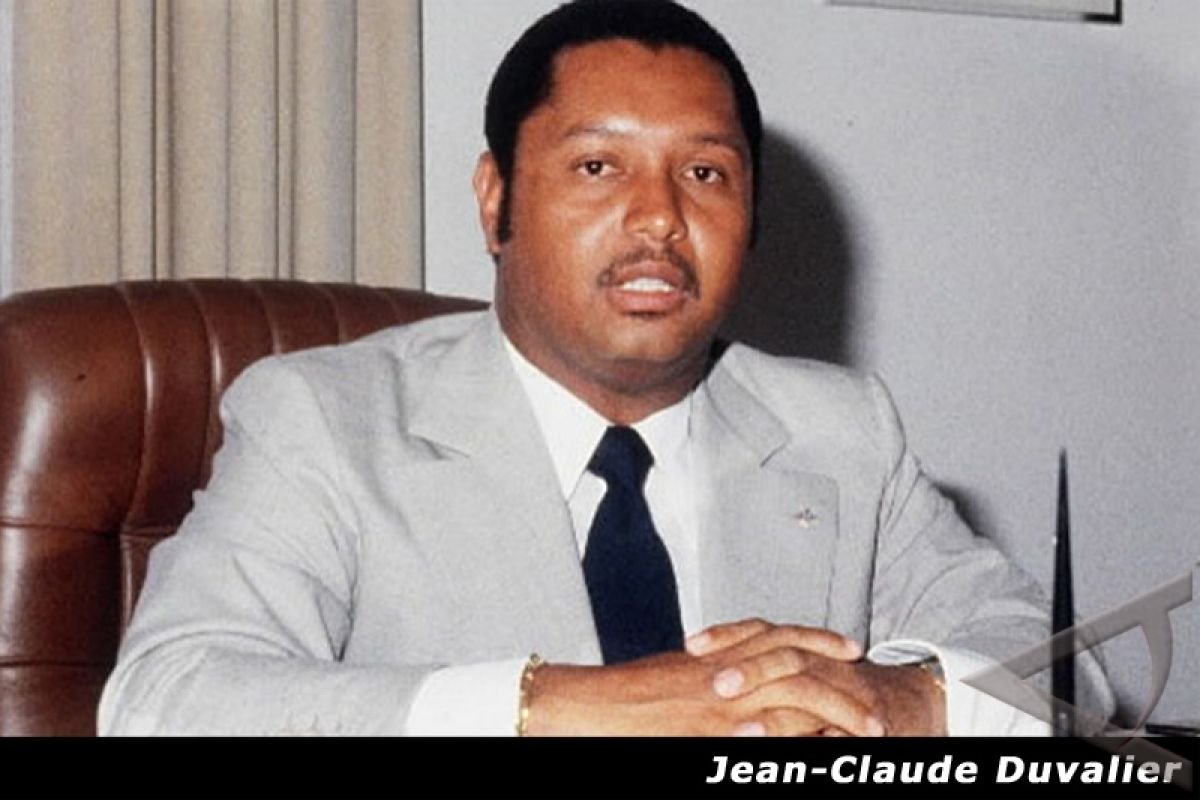
The government of Jean‑Claude Duvalier in Haiti
Although Duvalier came to power through constitutional means, he quickly dismantled the democratic structures that had enabled his election.
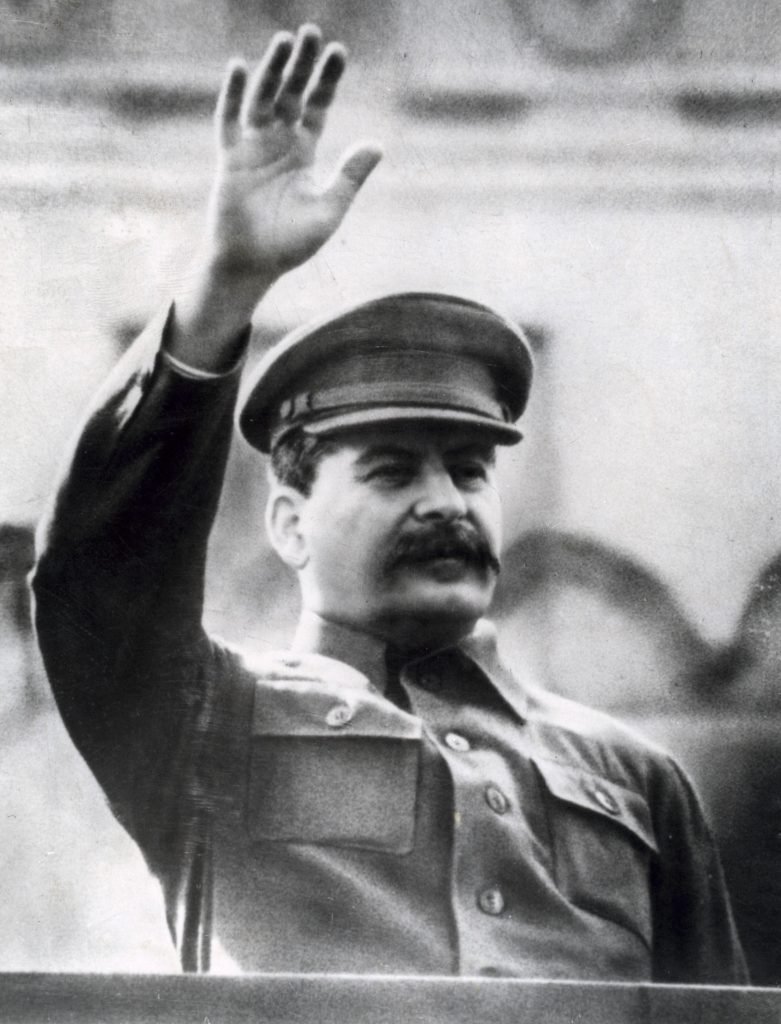
The government of Joseph Stalin in Russia (U.S.S.R.)
The government of Joseph Stalin in the Soviet Union represented one of the most transformative and coercive political systems of the twentieth century.
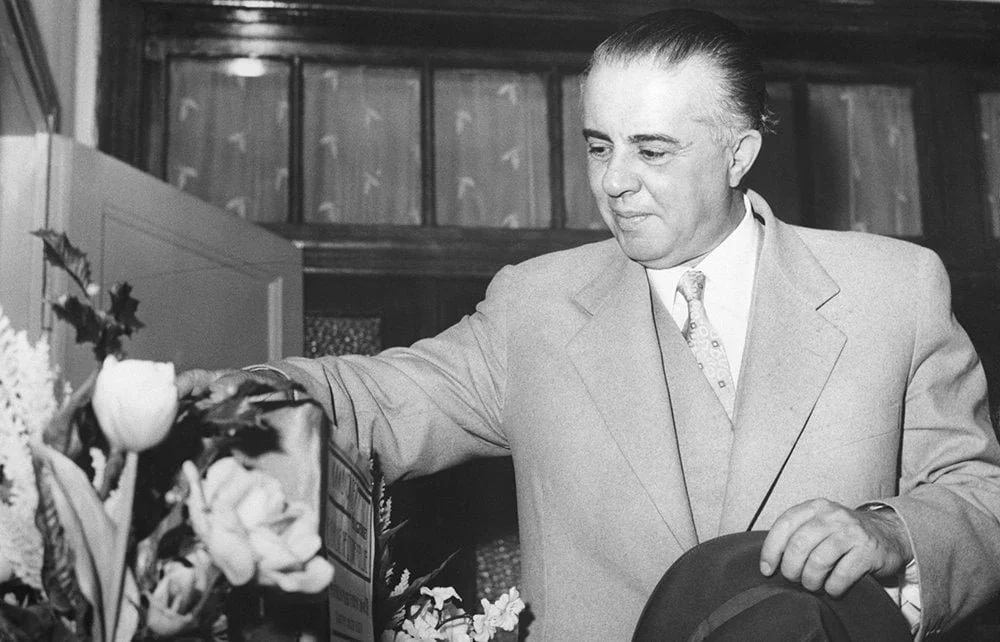
THe government of Enver Hoxha in Albania
The government of Enver Hoxha, which dominated Albania from 1944 until his death in 1985, represents one of the most rigid and enduring examples of Stalinist governance in the twentieth century.
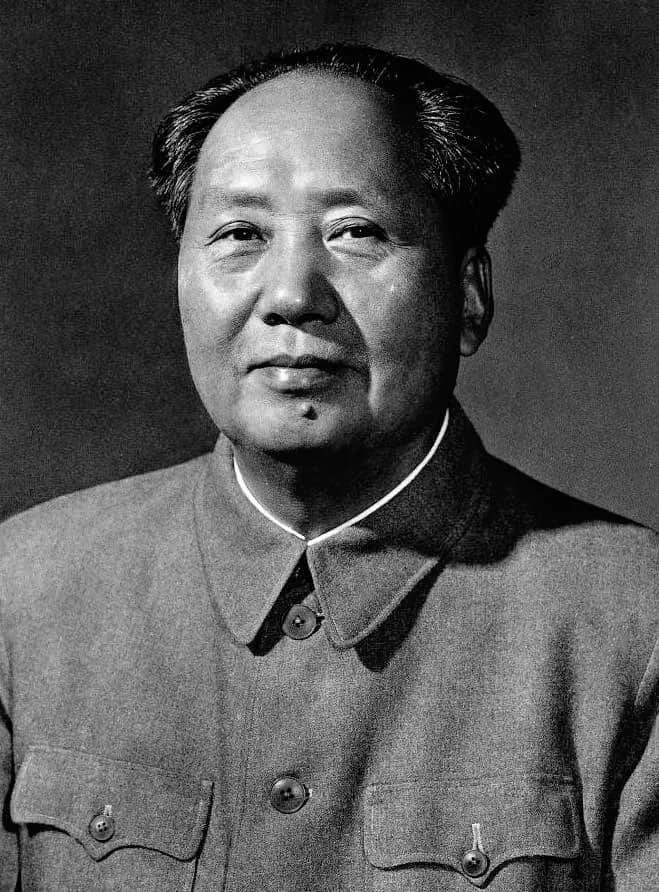
The Government of Mao Zedong in CHina
The government established under Mao Zedong from 1949 to 1976 marked one of the most dramatic political transformations in modern world history.
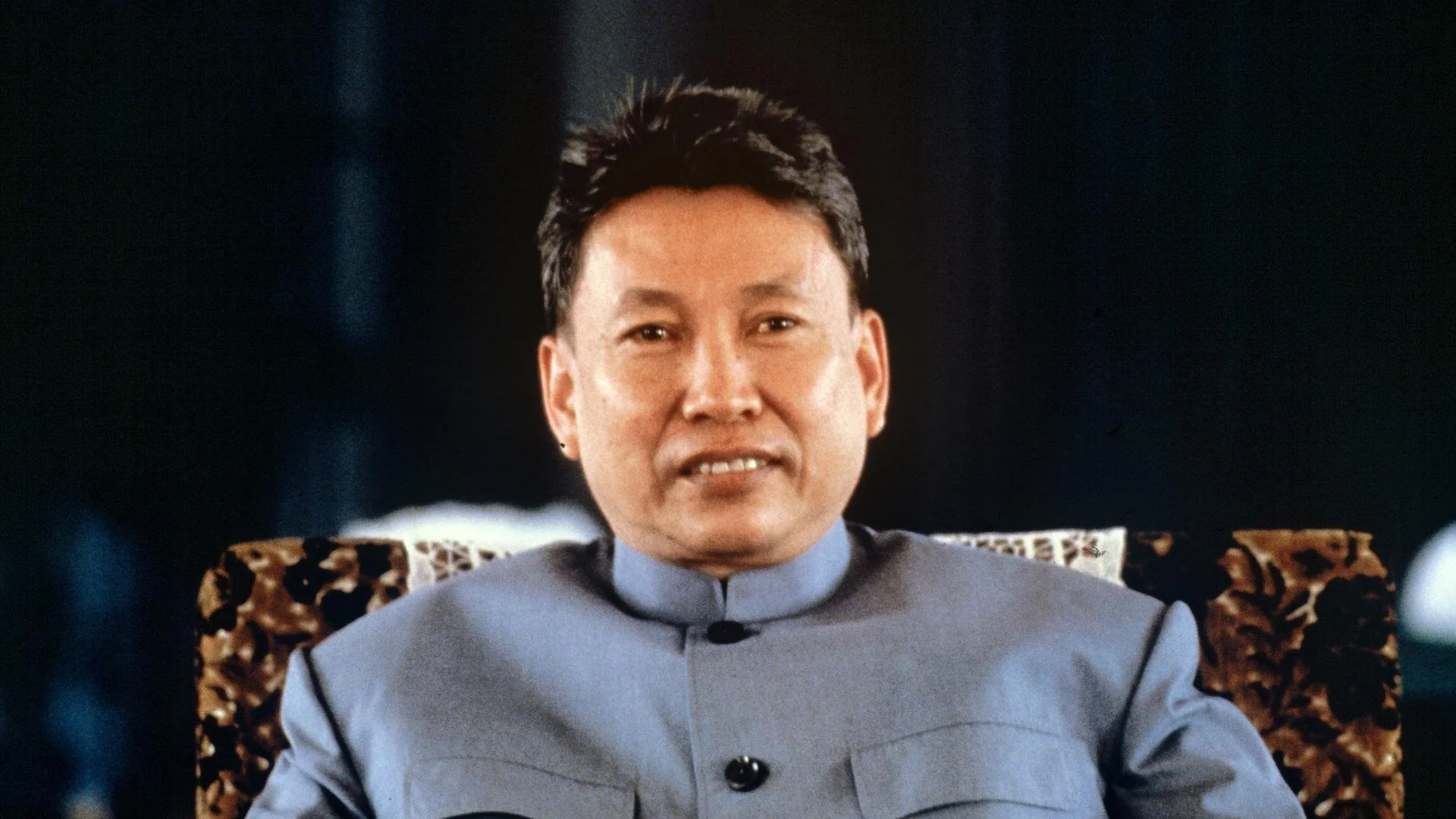
The government of Pol Pot in Cambodia
The government of Pol Pot, which ruled Cambodia under the name Democratic Kampuchea from 1975 to 1979, represents one of the most radical and destructive experiments in social engineering in modern history.
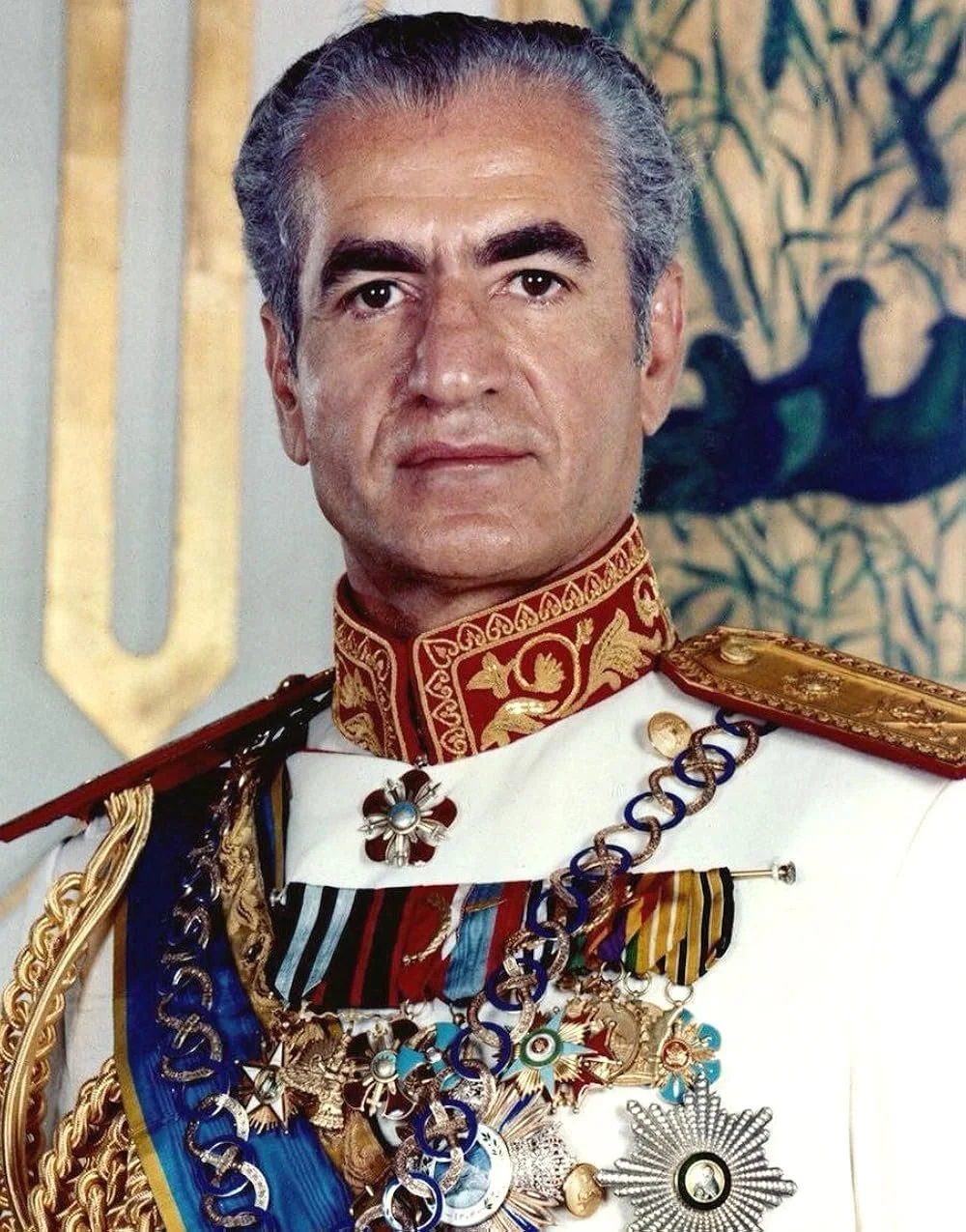
The government of Shah mohammad reza pahlavi in Iran
The government of Shah Mohammad Reza Pahlavi, who ruled Iran from 1941 until the 1979 Revolution, represented one of the most consequential political systems in modern Middle Eastern history.
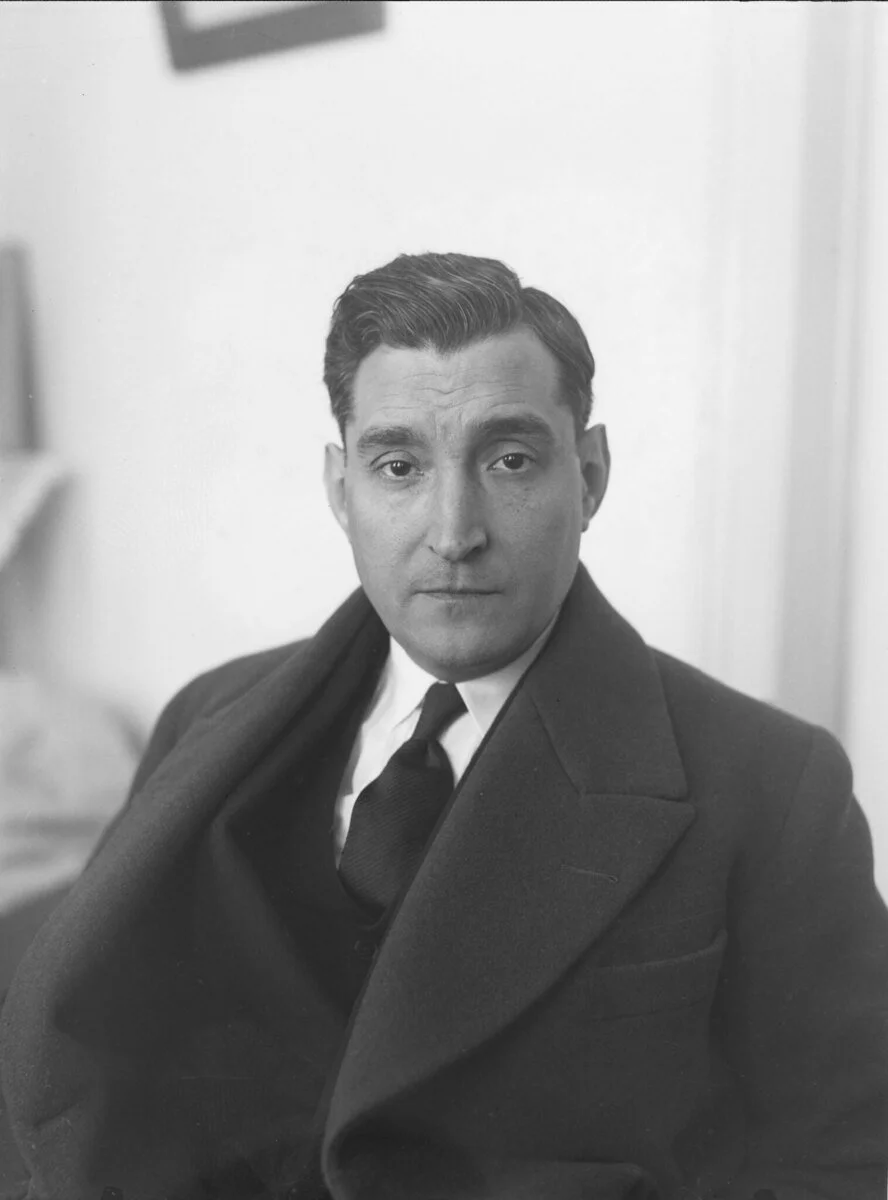
The Government of António de Oliveira Salazar in Portugal
The government of António de Oliveira Salazar, who ruled Portugal from 1932 to 1968, stands as one of the longest‑lasting authoritarian regimes in twentieth‑century Europe.
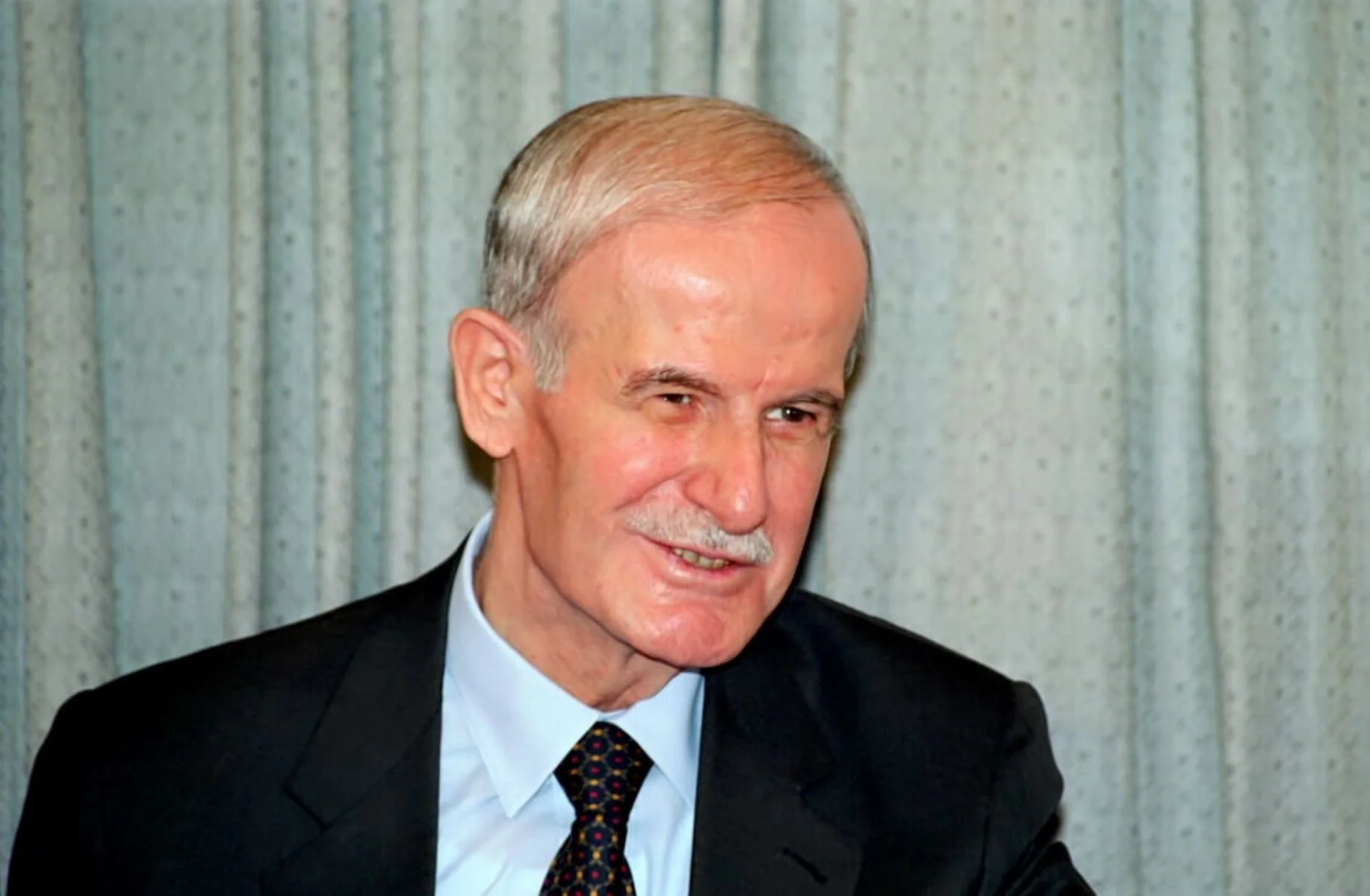
The Government of Hafez al‑Assad in Syria
The government of Hafez al‑Assad, who ruled Syria from 1970 until his death in 2000, stands as one of the most enduring and influential authoritarian regimes in the modern Middle East.
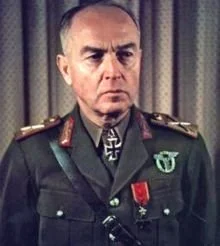
The Government of General Ion Antonescu in Romania
he government of General Ion Antonescu, which ruled Romania from 1940 to 1944, represents one of the most consequential and controversial periods in the country’s modern history.
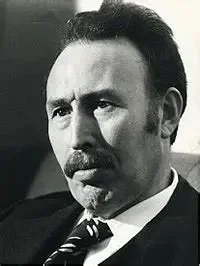
The Government of Algeria, 1962–1989
The period from 1962 to 1989 represents the foundational era of the modern Algerian state.
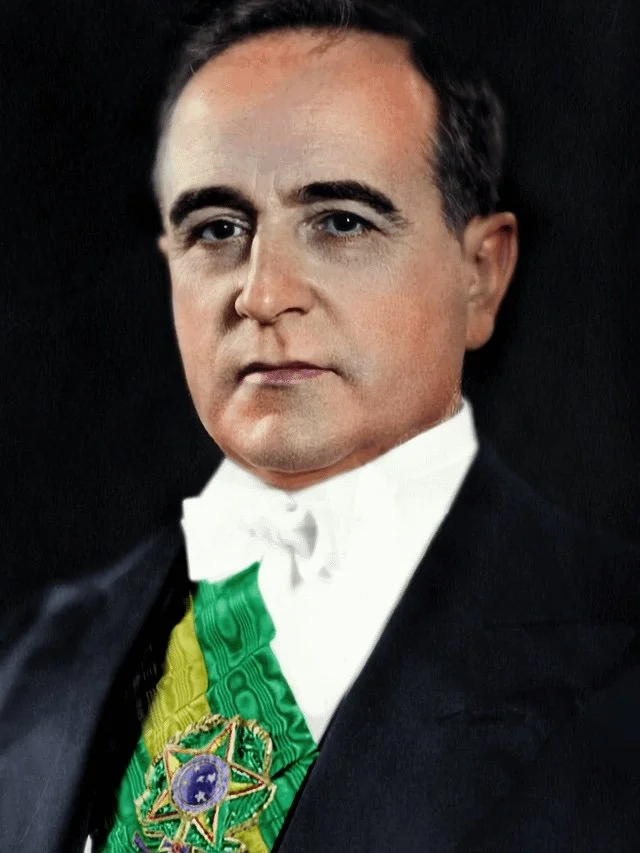
The Government of Getúlio Vargas in Brazil
The government of Getúlio Vargas represents one of the most transformative and complex periods in Brazilian political history.