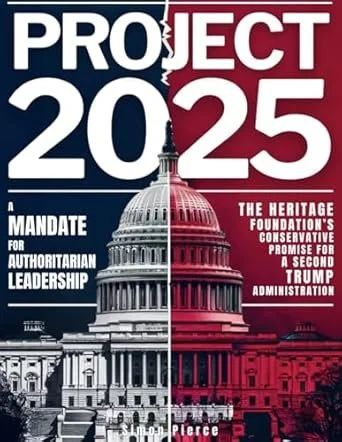
Project 2025
Project 2025 is a conservative policy blueprint created by the Heritage Foundation to reshape the federal government, expand executive power, and implement a wide range of right‑wing policy changes.
Core Goals
Restructure the federal government by consolidating executive power and replacing large portions of the civil service with politically aligned personnel.
Dismantle or weaken federal agencies, including proposals to eliminate the Department of Education and significantly alter the Department of Homeland Security and Department of Justice.
Roll back environmental regulations and shift scientific and health agencies toward conservative priorities.
Reverse many policies of the Biden administration, including those related to climate, immigration, and social programs.
Advance culturally conservative positions, such as removing DEI programs, restricting LGBTQ+ protections, and banning pornography.
The Most Controversial or Impactful
Project 2025–related proposals center on expanding presidential power, reshaping federal agencies, restricting reproductive rights, rolling back climate and environmental protections, and redefining civil rights enforcement. These themes appear consistently across independent analyses of the Project 2025 blueprint. Below is a structured, citation‑grounded summary of the most significant items.
Expanding Presidential Power and Weakening Checks & Balances
Several sources describe Project 2025 as aiming to centralize authority in the presidency and reduce the independence of federal agencies.
A congressional analysis states that the plan would “gut checks and balances so that [a president] can take over the government” and consolidate control across the executive branch.
This includes restructuring the civil service to make it easier to remove career officials and replace them with political loyalists.
Why it’s controversial: It raises concerns about undermining institutional safeguards and the separation of powers.
Restructuring or Dismantling Federal Agencies
Project 2025 outlines sweeping changes to how federal agencies operate, including:
Downsizing or eliminating programs across education, social welfare, environmental regulation, and financial oversight.
A FactCheck.org review notes that the plan seeks to “downsize the federal government and fundamentally change how it works,” including rewriting tax, immigration, and energy policy.
Why it’s controversial: These changes would significantly alter long‑standing federal roles in public services and regulatory oversight.
Major Rollbacks of Climate and Environmental Protections
Environmental policy is one of the most heavily targeted areas.
Analyses highlight proposals to reverse climate‑related regulations, expand fossil fuel development, and reduce EPA authority.
Critics argue this would increase pollution and weaken climate mitigation efforts.
Why it’s controversial: Environmental rollbacks affect public health, climate commitments, and long‑term ecological stability.
Restrictions on Reproductive Rights
Reproductive policy proposals are among the most widely discussed and contentious.
Project 2025 includes recommendations such as restricting abortion medication, reviving the Comstock Act to limit mailing of abortion drugs, and establishing a federal “pro‑life task force.”
Why it’s controversial: These proposals would dramatically reshape national reproductive healthcare access.
Eliminating DEI, Gender Identity, and Civil Rights Protections
The plan calls for removing references to diversity, equity, inclusion, gender identity, and reproductive health from federal rules and programs.
FactCheck.org notes that Project 2025 seeks to abolish teaching “critical race theory” and “gender ideology” in public schools and delete DEI‑related terms from federal regulations.
Why it’s controversial: Civil rights groups argue this would weaken protections for marginalized communities.
Cuts to Social Programs and Worker Protections
Independent reviews highlight proposals that would:
Reduce food assistance for millions of Americans
Remove overtime protections for an estimated 4.3 million workers
Increase exposure to discrimination and price increases in certain markets
Why it’s controversial: These changes would have broad economic and social impacts, especially for low‑income households.
Hardline Immigration and Border Policies
The blueprint includes aggressive immigration enforcement measures, including expanded deportation authority and reduced humanitarian protections.
These proposals appear in the subject‑by‑subject breakdown of the plan.
Why it’s controversial: Immigration policy is already highly polarized, and these measures would represent a significant escalation.
A Neutral Overview of Project 2025/26
Project 2025—sometimes referred to in updated discussions as Project 2026—is a policy blueprint created by a coalition of conservative organizations. It is not a law, and it does not carry legal authority on its own. Instead, it serves as a detailed governing agenda that its authors hope a future presidential administration will adopt. The document outlines a wide range of proposals across the federal government, touching on executive power, social policy, economic regulation, and the structure of federal agencies.
Although interpretations of the plan vary widely, the blueprint itself is organized around four major themes: restructuring the federal government, reshaping policy across key issue areas, advancing specific cultural priorities, and preparing personnel to implement the agenda.
Restructuring the Federal Government
A central component of Project 2025/26 is a proposed shift in how the executive branch operates. The blueprint recommends expanding presidential authority over federal agencies and reducing the independence of career civil‑service employees. This includes proposals to reorganize or downsize certain departments and move more decision‑making power into the White House.
Supporters of the plan describe these changes as a way to streamline government and reduce bureaucracy. Critics argue that the proposals would weaken internal checks and balances. The blueprint itself frames the reforms as necessary to ensure that federal agencies carry out the elected president’s agenda more directly.
Policy Changes Across Major Issue Areas
Project 2025/26 includes detailed recommendations for nearly every federal agency. These proposals span a wide range of policy areas:
Economic and Regulatory Policy
The plan calls for reducing federal regulations across industries and revising tax and spending policies to emphasize lower taxes and smaller federal budgets.
Energy and Environmental Policy
The blueprint recommends expanding domestic fossil fuel production, rolling back climate‑related regulations, and reducing the regulatory authority of the Environmental Protection Agency. The authors argue that these changes would promote energy independence and economic growth.
Education
Project 2025/26 proposes increasing parental control over school curricula, reducing federal involvement in public education, and limiting federal support for diversity, equity, and inclusion (DEI) programs. The document emphasizes local and parental authority in education policy.
Health and Social Policy
The plan includes proposals to restrict abortion access through federal rule changes, limit federal support for gender‑affirming care, and revise federal health‑care programs to reduce regulatory requirements. These recommendations reflect socially conservative policy priorities.
Immigration
The blueprint outlines a more stringent approach to immigration enforcement, including expanded border security measures, increased deportation authority, and reduced humanitarian protections.
Cultural and Social Priorities
Beyond administrative and regulatory changes, Project 2025/26 includes proposals aimed at reshaping federal policy around cultural and social issues. These include removing DEI‑related language and programs from federal agencies, revising civil‑rights enforcement priorities, and promoting policies aligned with socially conservative views on family, gender, and religion.
The authors describe these proposals as efforts to restore traditional values in public policy. Opponents argue that they would reduce protections for certain groups. The blueprint itself frames these changes as part of a broader cultural realignment.
Personnel and Administrative Strategy
A distinctive feature of Project 2025/26 is its focus on staffing. The initiative includes a large personnel database and training program designed to prepare individuals for federal roles. The goal is to ensure that a future administration has a pool of trained appointees ready to implement the blueprint’s recommendations quickly.
This component includes policy manuals for each federal agency and a transition plan intended to guide the first 180 days of a new administration.
How Analysts Interpret the Blueprint
Reactions to Project 2025/26 vary widely:
Supporters describe it as a roadmap for reducing bureaucracy, strengthening executive leadership, and restoring conservative policy priorities.
Critics describe it as an effort to centralize power in the presidency, weaken federal protections, and reshape long‑standing regulatory and civil‑rights frameworks.
The blueprint itself presents its proposals as a comprehensive plan for reorganizing the federal government and advancing a specific policy vision.
How It Works
Project 2025 is built around four major components:
Policy blueprint (Mandate for Leadership), an 800+ page document outlining proposed changes across all federal departments.
Personnel database to identify and vet loyal conservative candidates for federal roles.
Training programs to prepare these candidates to implement the agenda from “Day One.”
A 180‑day playbook detailing step‑by‑step actions for a new administration.
What’s Already Happened
Roughly half of the major goals in Project 2025 have already been put into practice, largely through executive actions, personnel changes, and agency restructuring under the current Trump administration.
Below is a clear, structured breakdown of what has actually been implemented, based strictly on verified reporting and public trackers.
Structural & Administrative Changes
Dismantling parts of the federal bureaucracy (“administrative state”) The administration has pursued Project 2025’s call to weaken federal civil service protections and expand presidential control over agencies. • Executive orders have stripped collective bargaining rights from federal workers in 18 departments. • Leadership changes placed Project 2025 contributors—such as Russell Vought at OMB and Brendan Carr at the FCC—into key roles to steer policy.
Restructuring or weakening federal agencies While full abolition of agencies like the Department of Education or NOAA has not occurred, the White House has taken steps toward their functional weakening through staffing changes, rule rewrites, and budgetary pressure.
Immigration & Border Policy
New “Title 42–style” authority A rule now allows authorities to bar asylum claims on the basis of public‑health emergencies, mirroring Project 2025’s call for rapid expulsion powers.
Restrictions on reproductive care for migrant minors The administration ended the policy allowing unaccompanied minors access to abortion services by transferring them to states with bans.
Environment & Energy
Rescission of the EPA’s 2009 Greenhouse Gas Endangerment Finding This major regulatory rollback aligns directly with Project 2025’s push to dismantle climate‑related regulations.
Health & Science Policy
Restrictions on fetal tissue research NIH-funded research can no longer use fetal tissue from abortions, matching Project 2025’s recommendations.
Revisions to federal dietary guidelines New guidelines emphasize meat and dairy, consistent with Project 2025’s call to reshape nutrition policy.
Social Policy & Civil Rights
Rollback of DEI (Diversity, Equity & Inclusion) initiatives The administration has moved to eliminate DEI programs and remove references to gender identity, sexual orientation, and reproductive rights from federal rules and guidance—core Project 2025 goals.
Restrictions on transgender protections and reproductive rights Multiple executive actions and agency directives have aligned with Project 2025’s cultural policy agenda.
Overall Progress
A nonpartisan, community‑driven tracker shows:
53% of Project 2025’s 320 tracked objectives are completed or in progress as of April 2026.
34 federal agencies have implemented at least one Project 2025–aligned action.
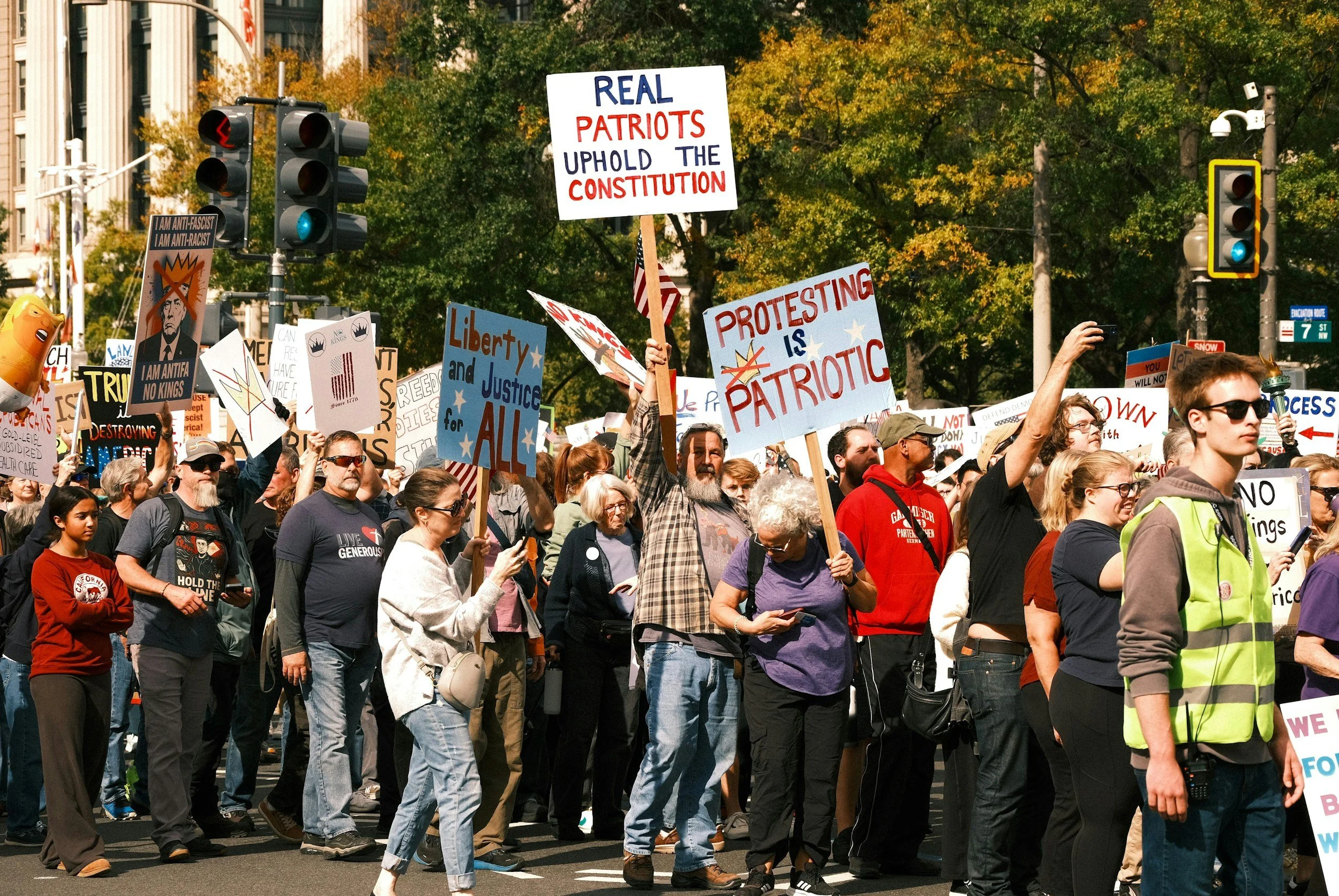
How we Fight Back
Learn what the proposals actually contain
Many people start by:
Reading summaries from multiple reputable news outlets
Reviewing analyses from think tanks across the political spectrum
Checking fact‑checking organizations for claims about the plan
This helps people understand what is proposed, what is not, and what is misinformation.
Support organizations that align with your values
People often choose to work with groups that focus on:
Civil rights
Reproductive health
Environmental protection
Labor rights
Government accountability
Immigration advocacy
These organizations typically track policy changes, file lawsuits, mobilize volunteers, and provide ways for individuals to get involved.
Contact elected officials
Constituents regularly:
Call or email their members of Congress
Attend town halls
Meet with local or state representatives
Submit public comments on proposed federal rules
Elected officials often pay close attention to what their constituents are contacting them about.
Participate in elections and civic processes
People who want to influence policy outcomes often:
Vote in local, state, and federal elections
Support candidates who align with their views
Volunteer for campaigns
Encourage others to register and vote
Elections are one of the most direct ways to shape the direction of public policy.
Engage in peaceful advocacy and public awareness
Common approaches include:
Writing op‑eds or letters to the editor
Sharing verified information on social platforms
Organizing or attending peaceful demonstrations
Hosting community discussions or teach‑ins
These actions help raise awareness and build coalitions.
Support legal and policy challenges
When people believe a policy violates constitutional or statutory protections, they often:
Support public‑interest law groups
Participate in amicus briefs
Follow and share information about ongoing litigation
Courts play a major role in determining whether certain policies can be implemented.
Build local resilience
Some communities focus on:
Strengthening local institutions
Supporting mutual aid networks
Building local advocacy groups
Encouraging civic education
Local action can be a powerful counterbalance to national policy shifts.
Stay informed and avoid misinformation
A lot of confusion around major political plans comes from:
Misleading summaries
Viral social media posts
Out‑of‑context quotes
Relying on multiple credible sources helps people make informed decisions.
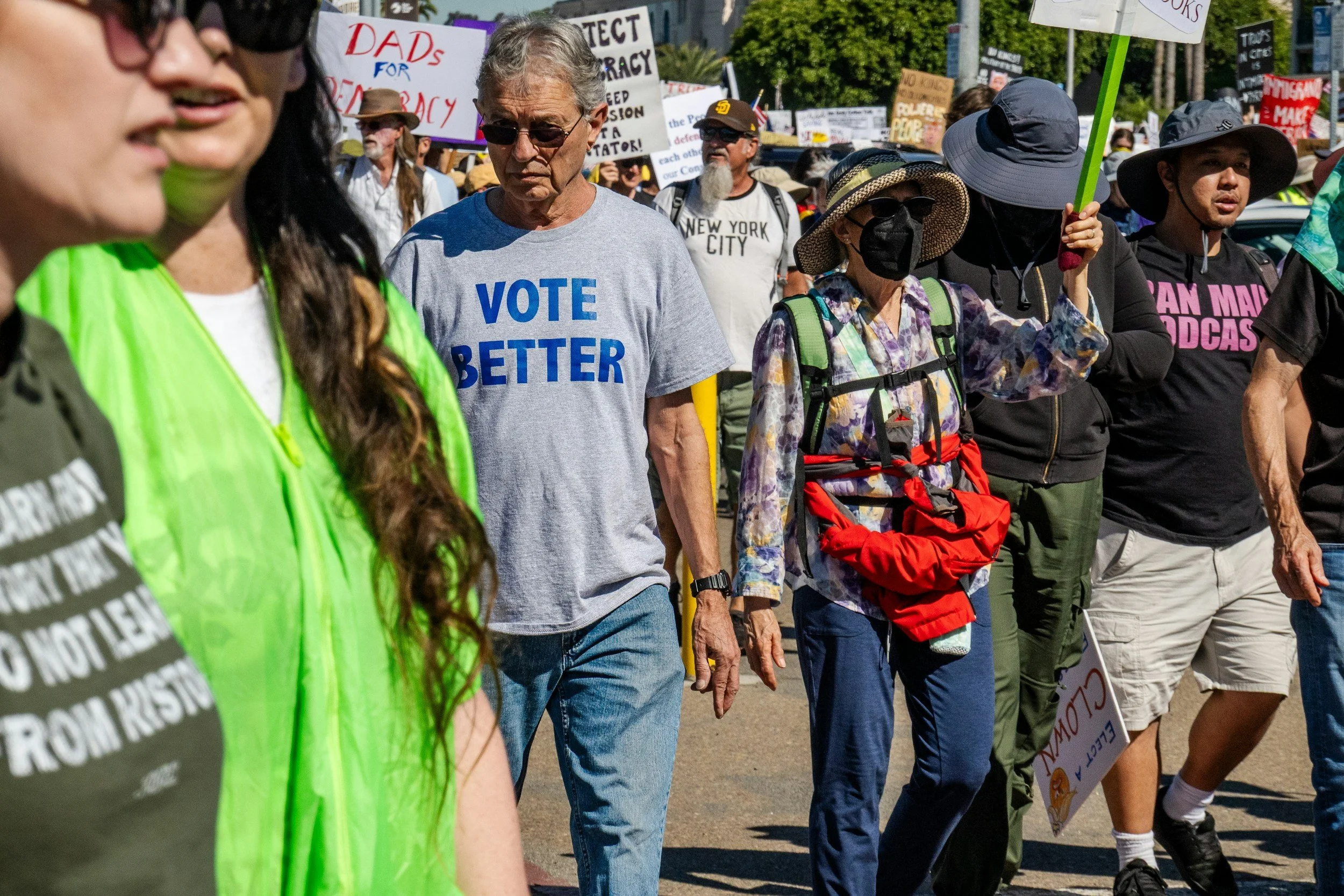
Register to Vote
Voting matters because it gives people a direct say in the decisions that shape their lives. When more people participate, government reflects the full community, not just a small group. Voting also holds leaders accountable and ensures that rights and public resources are protected. Choosing not to vote leaves important decisions in the hands of others, which can lead to outcomes that don’t match your needs or values.
Heritage Foundation. Mandate for Leadership: The Conservative Promise. Project 2025, 2023.
Swenson, Kyle. “What to Know About Project 2025.” Associated Press, 18 July 2024, apnews.com/article/project-2025-explainer. Accessed 29 Apr. 2026.
Congressional Research Service. Overview of Project 2025 and Federal Governance Proposals. CRS Report, 2024.